
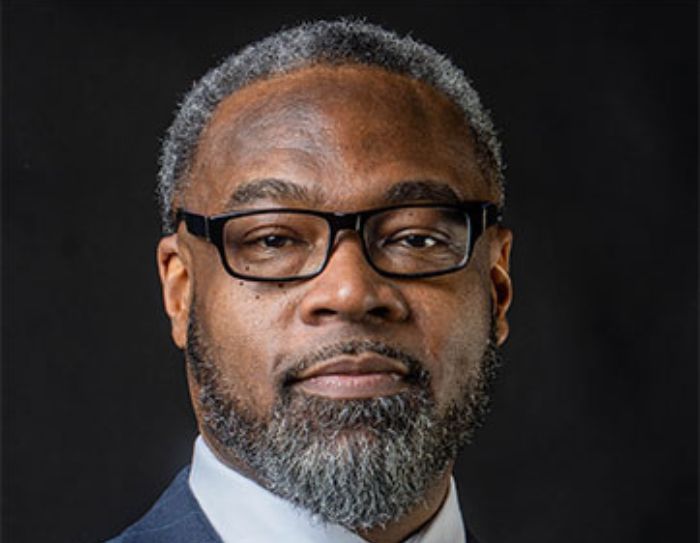

By Honorable James Tate, Detroit City Council President
Detroit’s grit has carried us through generations. But grit alone cannot heal us.
We can be proud of our resilience while still being honest about the stress, grief, anxiety, and trauma too many residents carry every day. A stronger Detroit is not one that ignores pain. It is one that creates pathways to healing.
Detroit is a city known for grit. We are proud of our toughness, our resilience, and our ability to keep going when life gets hard. But we must be careful not to romanticize struggle so much that people feel they have to suffer in silence.
June is Men’s Mental Health Month, and I believe this is the right time to say clearly: mental health is health. It affects how we show up for our families, our work, our communities, and ourselves. When our mental health is not in the right place, it becomes harder to be in the right place for anyone else.
This work is personal for me. I have been open about my own experience with anxiety because I know what it feels like to carry something internally while the world only sees your title, your role, or your responsibilities. As a Black man, I also understand the pressure many men feel to always be strong, always provide, always endure, and never let anyone see the weight they are carrying.
But silence does not heal us.
Too many men are walking around with stress, grief, anxiety, depression, trauma, and pain that has simply become part of their normal day. They adjust to it. They work around it. They tell themselves they are just tired or that they just have to keep moving. But sometimes, we have to become active participants in our own transformation.
That is why I launched Protect Your Crown.
Protect Your Crown is about recognizing that mental health is connected to the whole person. It is emotional health, behavioral health, physical health, rest, nutrition, movement, support, and community. It is also about removing the stigma that keeps too many people from getting help.
Over the last two years, Protect Your Crown has allowed us to bring mental health conversations directly to Detroiters. Last year, we held conversations in coffee shops with older residents and working adults. This year, we visited eight Detroit Public Schools Community District high schools, where students volunteered to participate in honest conversations about stress, anxiety, sadness, anger, and feeling overwhelmed.
We taught breathing techniques. We shared free tools and apps. We brought partners, including the Detroit Wayne Integrated Health Network and other mental and behavioral health organizations, to connect students with resources and explain what support can look like.
What stayed with me most was that many students stayed after the sessions ended. They asked questions. They opened up. Some said they felt better. Some said they planned to use the techniques in their daily lives. That told me our young people are not unwilling to talk about mental health. They are waiting for trusted spaces where the conversation feels real.
Local government has a responsibility in this work. If we are serious about addressing the challenges facing our city, we have to be willing to look beyond judgment and seek understanding. It is easy to penalize people. It is harder to ask what happened, what went untreated, and what resources were missing.
One important resource is the Detroit Wayne Integrated Health Network, Wayne County’s public behavioral health authority. DWIHN exists to make sure every resident has access to mental health and substance use services, regardless of ability to pay. Detroiters can learn more at www.dwihn.org.
This summer, I am also honored to serve as honorary chair for Black Men’s Wellness Day Detroit on Saturday, July 18, 2026, from 7 a.m. to noon at Renaissance High School. The event will include a 5K run/walk, free health screenings, wellness resources, community engagement, and access to valuable health and support services. We are encouraging volunteers, walking teams, vendors, and community partners to get involved because wellness has to be both visible and accessible.
A mentally healthier Detroit is one where every resident can access quality mental health care regardless of income or neighborhood. It is a city that treats mental health with the same urgency and importance as physical health while investing in prevention, early intervention, and community-based support. Most importantly, it is a city where people feel connected to one another, supported during difficult times, and hopeful about what lies ahead.
If you are struggling, you are not alone. Do not just sit and hope things will change. Be an active player in your own transformation. For mental health and substance use resources, visit www.dwihn.org. If you or someone you know is experiencing suicidal crisis, emotional distress, or needs immediate support, call or text 988, or use the online chat at https://988lifeline.org/chat/.
Protecting your crown starts with knowing your mind, your body, your future, and your life are worth protecting.