
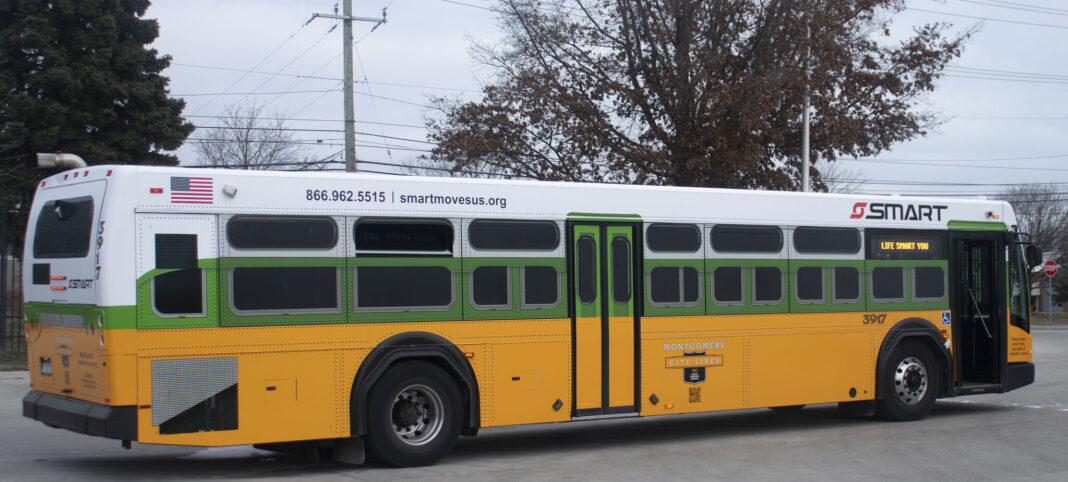


SMART CEO and General Manager Tiffany Gunter dropped some news at Michigan Chronicle’s most recent Pancakes & Politics, but it didn’t become official until the organization’s governing body approved it on March 26.
Gunter announced that SMART is preparing to roll out a major expansion of access to public transit across Wayne, Oakland, and Macomb counties aimed at enhancing access to students.
The Suburban Mobility Authority for Regional Transportation announced a new initiative that will allow K-12, community college, and college students to ride its buses for free year-round, removing what officials say has long been a barrier to consistent attendance and opportunity.
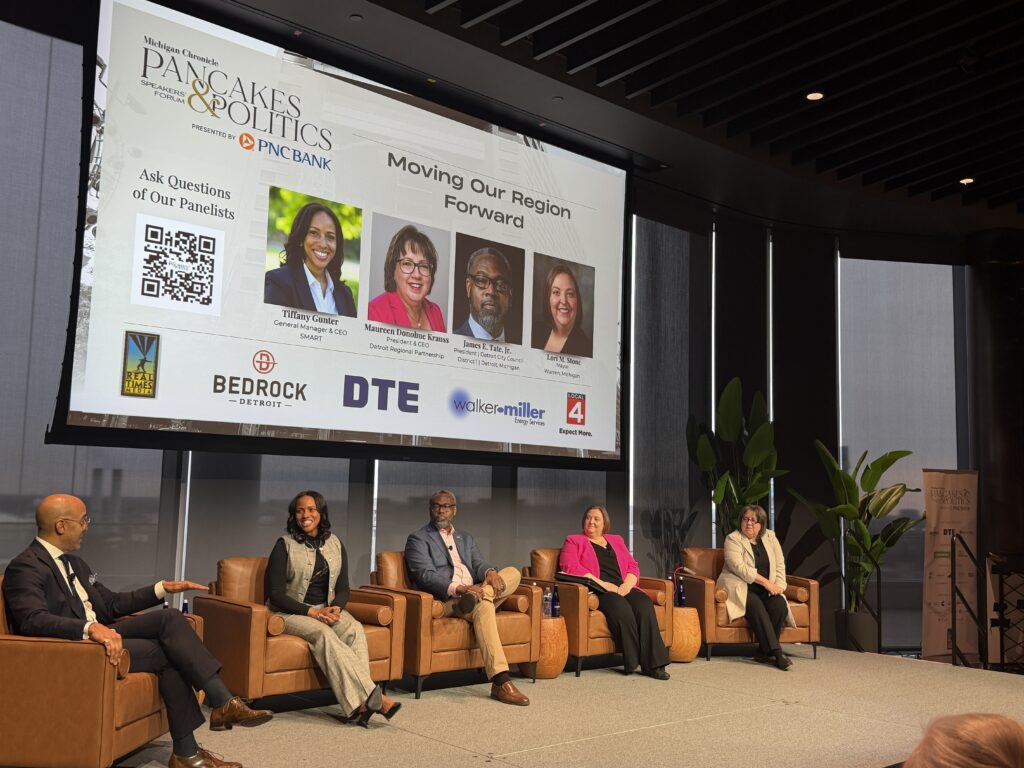
The program, developed in coordination with regional leaders including the administration of Detroit Mayor Mary Sheffield, will allow students to board SMART buses at no cost, simply by presenting a student ID. SMART says this move is designed to boost ridership, but also to strengthen the region’s workforce pipeline, to give young people more freedom, and to ease financial pressure on families already navigating rising costs.
“What we’re planning to do in the next couple of weeks is to roll out a program where students ride free on SMART. If you have a student ID and you are able to get to a bus stop, you can ride our system (for free). I’m looking for ridership because ridership leverages us more dollars, and I want to make sure the kids have access to public transportation,” she said.
“Growing up and using public transportation, I know what kind of independence it allows for. But the reason why we took this long to get to this point is because we wanted to make sure we had a system that was reliable. As a parent myself, I don’t want to put my child on a system that’s not going to show up for them. So, I know that now that we’ve moved in that direction and we’re getting operational excellence back under our umbrella, I’m ready to move forward with that program. And we’re doing so in partnership with the city of Detroit as well.”
The reliability issue she referred to was the bus’s lack of on-time arrivals and departures. It was one of the first issues she began to address when she became the new leader of the organization during the summer of 2025.
“We had a lot of low-hanging fruit. We started an on-time performance challenge because each garage didn’t know that we weren’t hitting our on-time performance goals,” Gunter said.
“We were at 65 percent (for on-schedule stops). …In doing this challenge, in the last three-and-a-half weeks, we’ve raised that percentage by 12 points; we’re at 77 percent on-time right now, consistently. That’s still not enough and we still have to do better, but we’re going to keep pushing that.”
Detroit City Council President and co-chair of the mayor’s transportation committee James Tate said the city’s own transit system is moving in the same direction, highlighting alignment between SMART and the Detroit Department of Transportation (DDOT).
“We’re doing the same thing. Shared ideas, shared opportunities. We’re doing the same with our DDOT system where our young folks, our students will be able to ride for free. That’s in our upcoming budget,” Tate said.
Combined, SMART and DDOT combined carry about 23 million people per year.
“For too many students across metro Detroit, the absence of a car in the household has meant missed classes and limited access to internships. At the same time, we recognize that transit fares can add up quickly for a family’s monthly budget,” said Gunter. “This initiative is a game-changer. We are proud to work alongside regional partners to ensure that no student is left behind because of a bus fare, and that families can redirect those savings toward other essential needs like housing and groceries.”
Education leaders say the impact could extend well beyond transportation. Brandy Johnson, president of the Michigan Community College Association, called the initiative a key step toward improving student outcomes.
“Student success doesn’t begin in the classroom. It begins with access,” said Brandy Johnson, President of the Michigan Community College Association. “When we remove barriers like transportation, we open the door for more students to stay engaged and complete their education. SMART’s commitment to providing free public transit will expand opportunity for learners across Southeast Michigan and help ensure more young people can reach the resources they need to succeed.”
Free rides are one of several things Gunter says SMART is doing to improve the organization, but she also noted technology upgrades that will help the rider experience.
“In order for us to attract more people to the system, we know that the next thing is the experience that they have and the service level, and that’s all technology based. So, we do have an app – that’s the transit app. …We’ve also put Wi-Fi on our fast routes: Woodward, Gratiot, and Michigan. …It’s about amenities and services. …Now we can take it to the next level,” Gunter said.
SMART did not announce a target start date for the free ride program for students but said that the program will “roll out soon.”