

By: Jasmine West
For Detroit residents living on blocks where darkness settles between street corners, poor lighting can shape nearly every part of life after sunset.
It affects whether parents feel comfortable allowing children to play outside, whether seniors can safely walk along the sidewalk and whether residents returning home at night can clearly see who or what is near their doors, cars and driveways.
Detroit is now beginning to address those concerns with the installation of at least 3,000 new mid-block streetlights across residential neighborhoods.
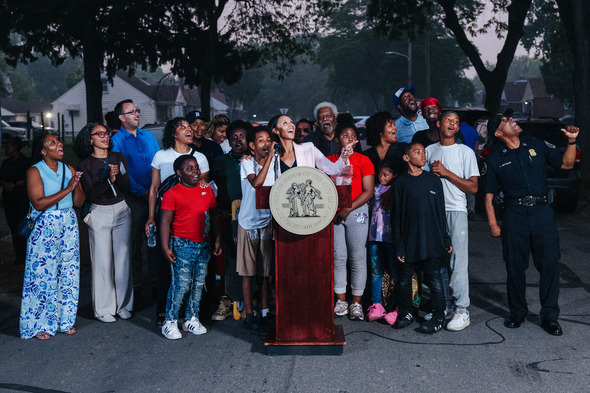
Mayor Mary Sheffield joined residents and Public Lighting Authority leaders on the city’s east side as the first light installed through the Brighten Up the Block initiative was turned on outside Cynthia Loggins’ home on Rossini Street.
The first installations are taking place in the Regent Park neighborhood in District 3, within an area bordered by Hayes Street, Rex Avenue, Carlisle Street and Rossini Street. Sheffield first announced the initiative in the same neighborhood in March.
“This plan was shaped by Detroiters, based on their firsthand experience with lighting concerns on their blocks,” Sheffield said. “When we are done, Detroiters that for years have lived with frustration and concern about dark areas on their block will get their wish for a safer, more well-lit neighborhood.”
The project is designed to close lighting gaps that remained after Detroit’s 2014 streetlight overhaul. That earlier effort restored and upgraded lighting along major streets and intersections, but many residential blocks were still left without sufficient coverage between corner lights.
On longer blocks, that can mean the middle of the street remains dim even when every existing light is functioning. In other neighborhoods, thick tree branches and leaves obstruct fixtures and prevent light from reaching sidewalks, parked vehicles and homes.
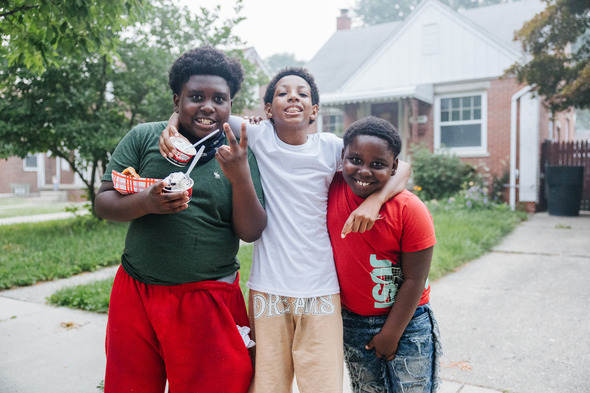
The Brighten Up the Block plan will increase the number of lights on residential streets from three per block to four. Some blocks will receive five lights. The city will also install brighter LED bulbs and trim or manage tree canopies that interfere with existing lighting.
City officials said the improvements could double visibility between corner lights in some areas.
The work carries significance beyond appearances. Streetlights cannot eliminate crime, but stronger visibility can help pedestrians see approaching vehicles, allow drivers to better identify people crossing the street and give residents a clearer view of activity around their homes.
For neighborhoods where residents have repeatedly complained about dark blocks, the investment also raises a broader question of equity. Adequate lighting is one of the most basic services a city provides, yet some Detroiters have lived for years without the same level of visibility available on major roads and in better-lit areas.
Before construction began, the city and the Public Lighting Authority held 14 community meetings throughout April across all seven Detroit City Council districts. Seven meetings were hosted by the authority, while seven others were held with council members during regularly scheduled evening meetings.
The Public Lighting Authority also received nearly 600 responses from residents identifying where additional lights were most needed. City Council members submitted recommendations that were incorporated into the final plan.
The final proposal was then presented to the Public Lighting Authority Board and Detroit City Council for approval. Preliminary construction began Monday, July 6.
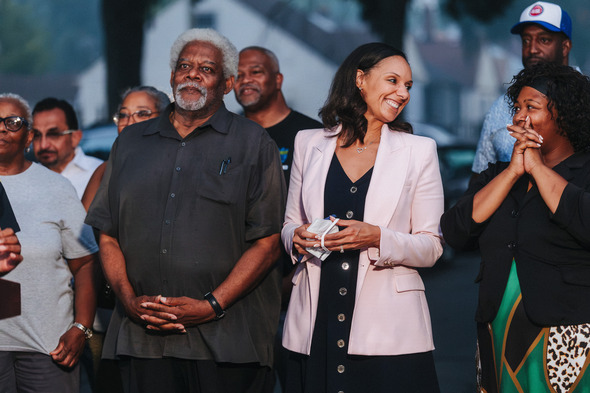
“Mayor Sheffield tasked us with putting residents first and ensuring that voices too often overlooked were heard,” said Beau Taylor, CEO of the Public Lighting Authority of Detroit. “Her emphasis on transparency, collaboration and competent execution brought residents, City Council, city departments and the PLA together around a practical plan. This is only the first phase, and we will keep listening and adjusting. At a time of division and gridlock, Detroit is showing what trusted leadership and shared purpose can deliver.”
The initiative is supported by a $1 million allocation from Sheffield’s budget, along with additional funding from available Public Lighting Authority capital resources.
The first light on Rossini Street marks the beginning of the work, but the larger test will come as installation expands into neighborhoods across the city.
Residents will be watching where the remaining lights are placed, how quickly the city moves from one district to the next and whether blocks with the poorest visibility receive priority. Long-term maintenance will also matter, particularly in areas where tree growth has repeatedly blocked existing fixtures.
The value of the project will not be determined by the ceremony surrounding the first installation. It will be measured by whether a resident can walk from a car to a front door without stepping into darkness, whether a child can be seen crossing the street and whether Detroiters feel safer standing outside their own homes.
For people who have spent years asking the city to brighten their blocks, those are not small changes. They are part of what it means to feel seen, protected and valued in the neighborhood where they live.