

By Eric B. Larson, CEO of DDP
This month, the DDP will hold its seventh public meeting to share significant updates on one of the city’s major infrastructure projects: Capping I-75. The Downtown Detroit Partnership has been the driving force on the project, along with our partners at the Michigan Department of Transportation and the City of Detroit.
Readers may have heard recently that Detroit residents and businesses received news on the other major project, replacing I-375’s 1.1-mile depressed freeway with a street-level boulevard. For this project, MDOT has received authorization to proceed from the Federal Highway Administration, marking a significant milestone. Both projects have the potential to positively transform the city, reconnect neighborhoods, and attempt to repair and restore communities forever impacted when the freeways were built.
As a trusted advisor and advocate for Downtown, the DDP is committed to advocating that both projects be executed in the best interest of the city’s residents and businesses, and that includes hearing from numerous stakeholders.
Ten months ago, the DDP secured funding to conduct a feasibility study on the I-75 caps, and since then, we have hosted multiple meetings to update and engage the public and to keep businesses and residents informed of our progress.
A critical component has been the surveys and outreach we conducted with Activate Detroit to fully understand the impact the construction of I-75 had on Detroiters and how we can incorporate what we’velearned into the project planning process.
We are grateful to those who spoke out to share their stories.
What is a Cap?
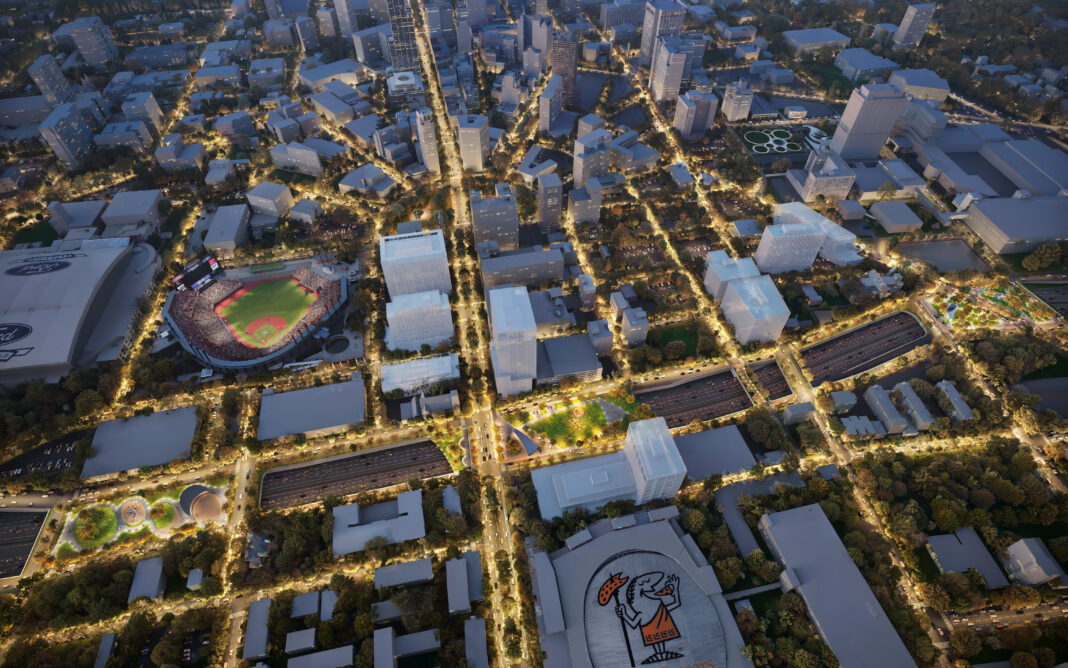
For those not familiar, highway caps are structures built over highways to reconnect communities harmed by this infrastructure. A range of benefits can result from these projects, including enhanced mobility, environmental benefits, and additional public space that serves as an anchor for current and future development. Construction of the Downtown Detroit segment of I-75 began in the late 1950s, and the freeway replaced active urban uses with a barrier between Downtown and surrounding neighborhoods.
Caps can enhance connectivity and improve quality of life for residents while maintaining the regional and national transportation network.
What Did We Learn?
Family gatherings, once a matter of walking a few blocks, became difficult, if not impossible as a result of the 1950/1060s Federal Highway Act. Shops closed their doors. The Motown Museum had to be moved. Church bells were silenced.
These are a few of the hardships community members experienced after the I-75 Freeway split Detroit neighborhoods, as shared with our team. Some of these are unique to the areas we are examining for the 75 Cap; some are similar to stories from residents of Black Bottom and Paradise Valley. All are essential to understanding the past and proceeding in thoughtful ways that embrace our shared history, culture, and legacy.
In addition to the past, I-75 Cap public meetings were an opportunity to hear from Detroit residents about what they would like to see in the future, and this input has served us well in the design and future implementation of the caps. Throughout the phases of engagement, the team collected feedback on potential overbuild options and design elements for each segment – or cap – over I-75. Well-designed caps can restore walkability, support small businesses, create new public spaces, and serve as an anchor for current and future development. Each cap has an opportunity to uniquely serve its residents and businesses. It was essential that planning reflect the needs of those that will use them most.
The project is meant to benefit all who live, work, and visit the areas around the caps. It is also meant to stitch the city back together in a way that reflects the people who are already here. Creating valuable and successful connectivity strengthens economic opportunity and neighborhood vitality. With community input, the project team can evaluate what is technically feasible and socially meaningful simultaneously.
Join Us on July 30
Over the past 100-plus years, the DDP has built its reputation as a trusted and strategic advisor, able to convene diverse stakeholders. Our goal is for the I-75 Cap project to remain community-centered and transparent. We firmly believe Infrastructure should serve people, and planning and engagement work best when they start early and continue through execution to completion.
The I-75 Cap project will celebrate its next milestone at the public meeting scheduled for Thursday, July 30, from 6:00 to 7:30 p.m. at the MSU Detroit Center. At the meeting, DDP and partners will share how community and stakeholder feedback has shaped the project’s programming recommendations and public space vision/design. Attendees will get a first look at the latest renderings of the proposed caps, hear the final results of the feasibility study, and learn about the next steps as the project progresses. We encourage residents and businesses to join us. The greater the engagement, the greater the potential for success.
For more on the I-75 Cap Project and frequently asked questions, visit the DDP’s Urban Innovation page at DowntownDetroit.org/I-75Cap.
Eric B. Larson is CEO of the Downtown Detroit Partnership, a nonprofit, member-based organization dedicated to creating a thriving, safe, inclusive, and welcoming Downtown Detroit and surrounding neighborhoods.