
This post was originally published on Word In Black.
When it comes to the health of Black Americans, the numbers don’t lie. But for generations, they haven’t told the whole truth.
Whether it is the higher death rates from preventable diseases, disproportionately longer waits on organ transplant lists, or widening gaps in educational achievement or homeownership, Black Americans too often end up on the wrong end of data measuring successful outcomes. The disparities — stubborn, persistent across generations, and at times vast — can feel baked into an unjust system, influencing everything from the care people receive when they’re sick to decisions about having children or getting a college degree.
Changing the Narrative
Word In Black wants to help change that narrative. We’re building a new research department to do it. And we need your help to make it happen.
Last August, Word In Black launched its Insights & Research Division, a data-focused department centered on the perspectives, priorities, and lived experiences of Black Americans. The goal is straightforward: find out what Black people think about the issues affecting them most, analyze the results, and use those insights to reshape the narrative.
Centering Black Voices in the Data
Leading the effort is Dr. Christa Mahlobo, a rising social scientist known for pairing hard numbers with human context. She sees the division’s mission as both analytical and corrective.
“The primary goal of this division is to center the real voices, experiences, and concerns of Black communities that help us uncover nuances that may otherwise be missed,” says Mahlobo. “We hope that others can use those insights to inform more culturally responsive education and outreach.”
What Black Americans Really Think About Organ Donation
The division’s first major project delved into an urgent question: What do Black Americans really think about organ donation?
The survey of more than 1,500 respondents explores why Black patients, who make up a disproportionate share of people waiting for transplants, are also less likely to become organ donors. The findings echo long-standing concerns, ranging from mistrust rooted in medical racism to uncertainty about the impact on families and end-of-life care.
Read the Report: Community Views on Organ Donation
Respondents showed strong support for organ donation in theory but voiced deep hesitation in practice. For many, the fear was not the idea of helping someone; it was whether the healthcare system would help them first.
“Understandably, it’s difficult to convince the Black community to feel a real sense of buy-in around organ donation, especially since it runs through a healthcare system that has not invested in us,” Dr. Mahlobo says.
Turning Next to Breast Cancer
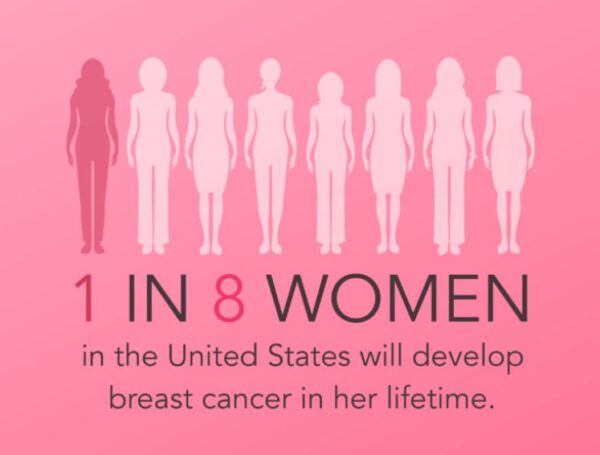
With that report complete, Word In Black Research is already turning to its next project: breast cancer, a disease that kills Black women at significantly higher rates than their white peers. Even though Black and white women develop breast cancer at similar rates, Black women are more likely to be diagnosed late, face delays in treatment, and encounter barriers rooted in economics, bias, and access.
The upcoming report from the survey insights will focus on screening habits, medical trust, generational knowledge, and the social factors that shape how Black women navigate the healthcare system. Researchers also plan to examine the cultural narratives — both empowering and constraining — that influence when and how women seek care.
For Word In Black, the research division marks a new chapter — one where data and storytelling stand side by side, amplifying Black truth with evidence to match.
“Data alone can’t save lives,” she said, “but when it’s rooted in truth and shaped by community, it can absolutely change them.”