
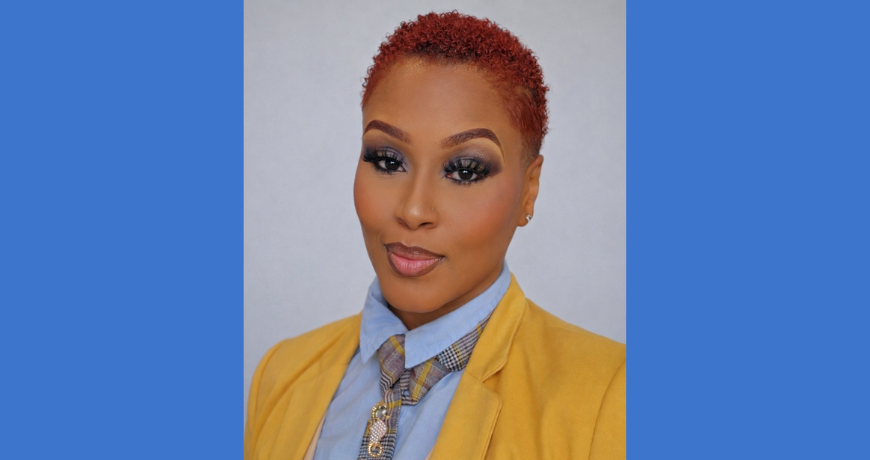

By Nina Love, All Black Everything Hospitality Group CEO
Beyond the Plate: Detroit’s Hospitality Renaissance is a series by hospitality expert and All Black Everything Hospitality Group CEO Nina Love.
There was a time when good food alone could carry a restaurant.
A talented chef, a few strong dishes, decent service, and word of mouth were often enough to build momentum. But today’s diner, whether consciously or not, is asking for something deeper.
Not just a meal. An experience.
And the establishments that understand this are the ones beginning to separate themselves from the rest. Because the truth is, great hospitality has an architecture to it.
Invisible, often unnoticed, but deeply felt. It lives in timing. In pacing. In energy. In the choreography between the kitchen, the floor, the music, the lighting, and the emotional awareness of the team guiding the room.
At its highest level, hospitality is not random charisma or surface-level friendliness. It is intentional by design. And increasingly, good food without intentional hospitality feels incomplete.
The Invisible Architecture of Hospitality
One of the greatest misconceptions in the restaurant industry is the belief that hospitality begins when the food arrives. It doesn’t.
The experience begins the moment someone approaches the door. How long they stand before being acknowledged The energy of the greeting. The flow of the room. The confidence of the staff. The sensory cues that tell the guest whether they are about to be cared for, or simply processed.
These things matter. Not because diners are looking for perfection, but because people remember how spaces make them feel.
This is what I often refer to as the invisible architecture of hospitality: the operational and emotional framework supporting the guest experience.
The best restaurants understand that every detail communicates something. A rushed interaction communicates disorder. A disconnected server communicates lack of alignment. A beautifully plated dish arriving to an emotionally flat table creates friction between culinary intention and lived experience.
And in today’s hospitality landscape, especially as cities like Detroit continue evolving into serious culinary destinations, that gap becomes increasingly visible.
Because good food is no longer rare enough to be the sole differentiator. The feeling is.
A Night at Baru
Recently, I visited Baru, one of Detroit’s most compelling newer additions to the culinary landscape, led by Executive Chef Robert Lloyd.
And what stood out immediately was not just the cuisine, it was the intentionality.
The space itself feels immersive without trying too hard. Warm lighting, layered textures, thoughtful ambiance. There is a rhythm to the environment that allows the experience to unfold naturally rather than forcefully.
From the moment guests enter, there is a sense that the team understands the assignment. Not in a performative way. In an aligned way.
The service felt attentive without hovering. Knowledgeable without rehearsed stiffness. The pacing allowed the evening to breathe.
And then the food arrived.
Thoughtfully curated Latin and Caribbean fusion dishes, executed with both technical precision and soul. The plating was meticulous without becoming inaccessible, beautiful, yes, but still inviting. Every element appeared considered.
What impressed me most, however, was that the experience remained cohesive. Too often, restaurants excel in one area while neglecting another. Strong kitchen, weak floor. Beautiful design, inconsistent service. Excellent concept, fragmented execution.
At Baru, there is a noticeable commitment to alignment between culinary artistry and hospitality culture. And that matters. Because restaurants that raise the bar do more than serve good food. They shift expectations.
Where We’re Being Invited to Grow
What establishments like Baru signal is that Detroit is entering a new era of hospitality.
An era where creativity alone is not enough. Where aesthetics alone are not enough. Where even great flavor alone is not enough.
The next evolution of our culinary scene will belong to the spaces willing to fully commit to operational excellence and unreasonable hospitality. And unreasonable hospitality does not mean extravagance. It means intentionality.
It means creating experiences where guests feel anticipated, guided, and genuinely cared for. It means training teams not simply to complete tasks, but to understand emotional rhythm and presence. It means leadership that recognizes hospitality is both an art and a system.
This is the difference between restaurants people enjoy…and restaurants people remember.
We already possess extraordinary culinary talent. Our city’s cultural depth and creative resilience make us uniquely positioned to become one of the country’s most exciting food destinations.
But what will ultimately elevate us is consistency of experience. The invisible architecture. The alignment. The care embedded into every touchpoint.
Because in this next chapter of Detroit hospitality, the question is no longer simply: “Is the food good?”
The question will be: “How did the experience make people feel?”
And the restaurants that answer that question well will not only thrive, they will define the future of dining in our city.
Baru is located at 1407 Randolph St., Ste. 100, in Detroit.
Nina Love, aka The Culinary Griot, is a culinary artist, hospitality consultant, and the founder of A.B.E Hospitality Group, The Love Experience, Alchemy of Excellence Consulting, and The Culinary Griot. With over 22 years of experience, she specializes in operational excellence, culinary mastery, elevated guest experience, and building transformative hospitality brands.