
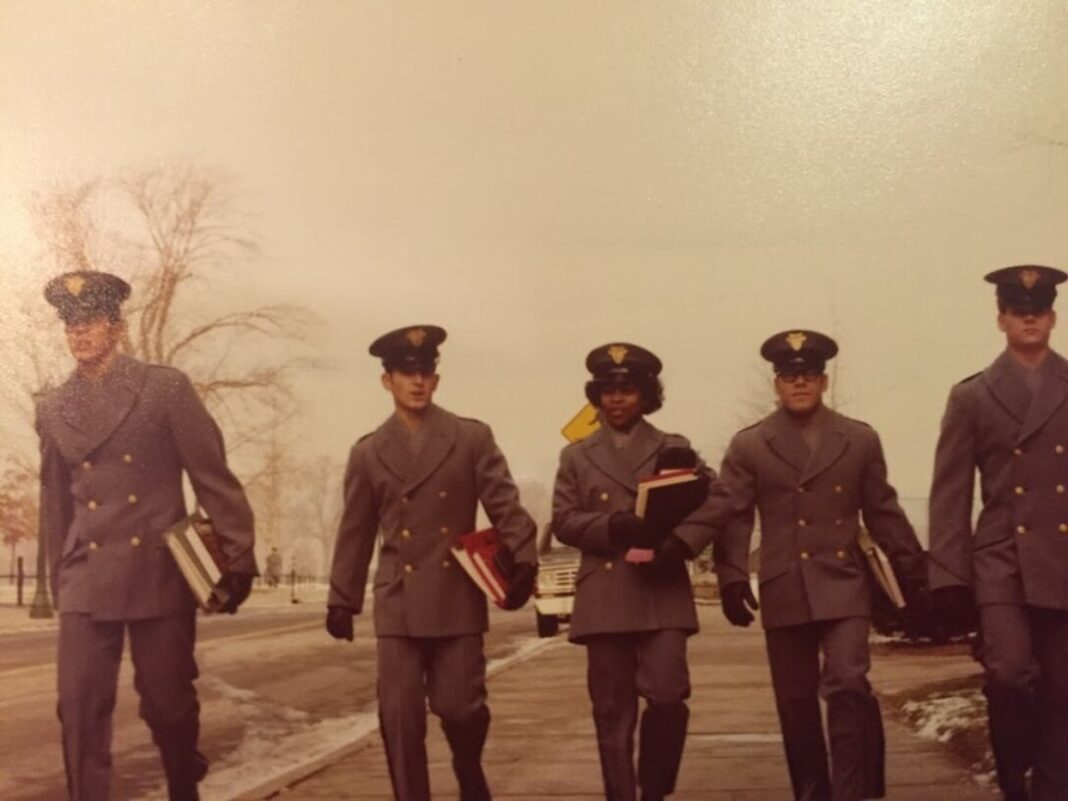

The year is 1976. It is the 200th anniversary of the founding of America and the energy of patriotism is in the air. The Vietnam War has officially ended, and more than 100 women applied to the United States Military Academy at West Point after President Gerald R. Ford signed Public Law 94-106, opening enrollment at the three public military academies to all eligible applicants, regardless of sex.
Among them was Patricia Locke, a Detroit native and the first African American woman from the United States Military Academy at West Point. She graduated on May 28, 1980, as part of the academy’s first-ever class to admit and graduate women.
She was one of the first female cadets accepted into the U.S. Military Academy at West Point and the first black woman to graduate by order of merit. In 2001, she was inducted into the Army Women’s Foundation Hall of Fame.
Today, Locke is committed to helping young people pursue educational opportunities and become leaders with integrity.
A conversation with Locke feels like a job interview. She has numerous questions, she requires clarity, and she wants to understand your motivation. During her interview with Michigan Chronicle, it remained clear how she was able to achieve her historic feats – even her voice demands respect and reverence.
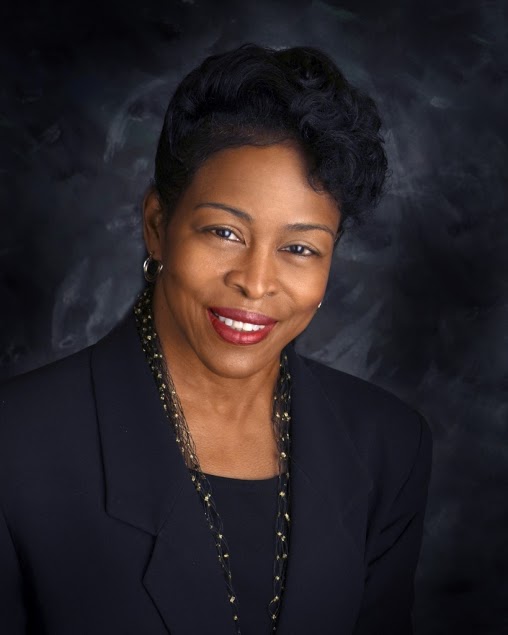
As a teenager, a younger Pat Locke witnessed the 1967 riots in Detroit. In fact, she says that during that crisis, it was the first time that she saw a Black man in a military uniform. She admired him and his work, and she, too, registered for the Army.
“I loved being in the army because, you know, you were earning your own money, you had your own bed to sleep in, you got three meals a day. I thought I was in heaven,” she said. “So I went from there to Fort Polk, La., where a battalion commander if I wanted to go to West Point. And I didn’t know what that was.”
She soon found out what West Point was and that it was a place where she could earn a bachelor’s degree during her service. She quickly enrolled, arriving only days later with all she owned in a duffle bag.
When asked what her life was like at the academy, Locke said, “Well, what I remember, is that it was fast and furious. I don’t know if you grew up in the time where you had Bugs Bunny and Roadrunner. And you remember the Tasmanian devil spinning on the road. We weren’t just going fast. We were spinning as we were going. And that’s because of the academics at the academy. You’re going to learn a lot in a very short amount of time and then you have to apply it.”
An article from the National Museum of the United States Army sets the scene, “Upon arrival, the women of West Point met a similar range of opinions in the minds of their peers. Lt. Col. Carol Barkalow, a member of the first graduating class of women, remembered that while the majority of male cadets simply abided by the new dynamics, a “vocal minority sometimes made it hell.”
“Pat Locke, a prior service Army veteran from Detroit, recalled that as one of only two African American women at the academy, she experienced an even greater feeling of isolation and resentment from her predominantly white male peers.”
After an illustrious career, Locke moved into recruitment. She spent many years speaking to Black and Brown communities to explain why they should consider a military career.
In asking how she acknowledges that minority communities have a distrust of the government and the military, she explained that the pros outweigh the cons.
“Well, the big message is opportunity. Like we were treated badly in the, you know, during the Vietnam era. There’s no doubt,” she said. “Over the last 50 years, we have progressed in the military, and now we have African American generals. We have women generals. We have people that don’t look like the leadership that we had back in the early 70s.”
She added, “So the leadership now looks more like our communities in, in the nation. And I speak often about the educational opportunity in the academy, and that’s something once you get educated, that’s hard for people to take away from you. You know, they can take your money, they can arrest you, they can do a whole bunch of other stuff. But they can’t take your education away from you. So why not get the best education that you possibly can get?”
Locke was also asked about the current political climate and administration and the perceived hostility towards black women in the military.
Her immediate response was, “I’ll keep my opinion to myself.”
However, she later added, “We have endured many administrations. Many. And the good thing about the military is there’s so many layers of leadership before you get down to just a common soldier like me. And, you know, I think back in the day when I went into the army, the environment, the climate was absolutely horrible. Absolutely horrible. But look at me now.”