
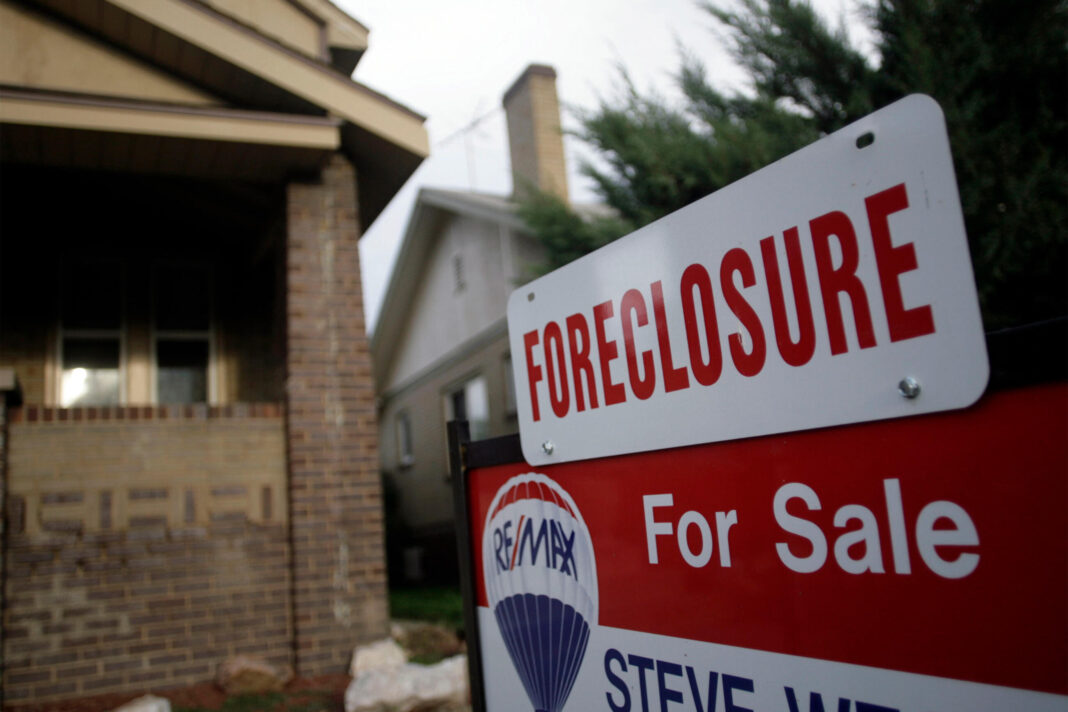


Millions of dollars are finally flowing back into the hands of Wayne County residents who lost homes and other properties to tax foreclosure, marking a significant shift after years of criticism over how Michigan handled delinquent property taxes and the devastating consequences for Detroit-area homeowners.
As of early January 2026, more than $3.8 million has been returned to former property owners and interest holders in Wayne County, according to the Wayne County Treasurer’s Office.
The payments stem from Michigan Supreme Court rulings and changes in state law that determined counties could no longer keep surplus profits generated when tax-foreclosed properties were sold at auction. For many residents, particularly in Detroit and older inner-ring suburbs, the money represents long-overdue restitution after years of aggressive tax enforcement that stripped families of generational wealth.
For decades, Michigan’s tax foreclosure system allowed counties to seize properties over unpaid taxes and then sell them at auction, often for amounts far exceeding what was owed. Until recently, former owners received nothing, even when the sale price was tens of thousands of dollars more than the tax debt.
Critics, housing advocates, and legal scholars argued that the practice amounted to government-sanctioned property theft, disproportionately impacting Black homeowners and low-income residents in Detroit.
The roots of the problem stretch back to the years following the Great Recession, when Detroit was already reeling from job losses, population decline, and municipal instability. A series of investigative reports by local and national media revealed that Detroit properties were systematically over-assessed for years, resulting in inflated tax bills that violated Michigan’s constitutional limits on property taxation. Thousands of homeowners, many of them seniors or people living on fixed incomes, fell behind on taxes they never should have owed in the first place.
Between 2011 and 2015 alone, Wayne County foreclosed on tens of thousands of Detroit properties. Entire neighborhoods were hollowed out as homes passed through foreclosure auctions, often snapped up by speculators for a fraction of their market value. Families lost houses that had been paid off for decades over tax debts that were sometimes only a few thousand dollars. In many cases, properties were sold for far more than the taxes owed, but the former owners never saw a penny of the excess.
That long-standing practice was upended by two landmark Michigan Supreme Court cases.
In Schafer v. Kent County and Hathon v. State of Michigan, the court ruled that keeping surplus proceeds from tax foreclosure sales violated property owners’ rights. The decisions affirmed that former owners and other interest holders may be entitled to the “remaining proceeds” left after unpaid taxes, interest, and administrative fees are deducted from the auction sale price.
The rulings also applied retroactively to foreclosures that occurred before December 22, 2020, opening the door for thousands of Michiganders who had already lost property to seek compensation. The Legislature subsequently updated state law to establish a formal claims process, requiring eligible individuals to file motions in Circuit Court to recover the surplus funds tied to their former properties.
In Wayne County, where Detroit makes up the majority of tax foreclosures statewide, the Treasurer’s Office began processing claims once the legal framework was in place. Claims must be reviewed and approved by the Wayne County Circuit Court before any money can be released, a process that involves multiple legal steps and documentation requirements.
Despite the complexity, payments have steadily gone out to the tune of $3.8 million, which has been returned to eligible claimants in Wayne County, with additional claims still under review. County officials say more payments are expected as court rulings continue to be finalized.
Wayne County Treasurer Eric R. Sabree emphasized that the money being returned was never the county’s to keep.
“This is money that belongs to the people,” Sabree said. “When someone is legally entitled to proceeds from the sale of tax foreclosed property, we believe it’s our responsibility to inform people that those dollars are available and can be returned to them.”
One of the biggest challenges facing the claims process has been awareness. Many former property owners moved, lost paperwork, or assumed that once foreclosure occurred, all financial ties to the property were permanently severed. Others remain distrustful of government processes after years of negative experiences tied to foreclosure and displacement.
In response, the Treasurer’s Office launched an extensive outreach campaign aimed at making sure eligible residents knew they might be entitled to money. That effort included targeted social media advertising, direct mail sent to last-known addresses, billboards across Wayne County, television and radio ads, and multilingual materials designed to reach residents whose first language is not English. The messaging focused on simplifying a legal process that can feel intimidating and opaque, particularly for seniors and people without legal representation.
“People can’t apply for something if they don’t know it exists,” Sabree said. “We wanted to make sure former property owners had clear information and a fair chance to claim what’s rightfully theirs.”
Housing advocates say the outreach is critical, especially in Detroit, where many residents who lost homes during the foreclosure crisis remain economically vulnerable. For some families, the returned funds could help cover rent, medical expenses, or long-delayed home repairs. For others, it represents a measure of justice after years of fighting a system that seemed stacked against them.
Still, not every claim is approved, and not every former owner is eligible.
Under Michigan law, only surplus funds from the auction sale are available, and claims must be filed within specific deadlines. Individuals who had mortgages, liens, or other interests in the property may also be eligible, depending on their legal standing at the time of foreclosure.
To claim remaining proceeds, eligible former owners or interest holders must file a motion with the Wayne County Circuit Court related to the specific property that was foreclosed. The claim must include documentation showing ownership or interest in the property at the time of foreclosure, along with proof of identity and other required information. Once filed, the motion is reviewed by the court, and if approved, the Treasurer’s Office issues payment.
County officials caution that the process can take time. Each claim must move through the court system, and payments are only released after final approval. However, the Circuit Court has committed to reviewing claims in a timely manner, and additional payments are expected as cases are resolved.
While the return of millions of dollars marks a major shift, Wayne County officials stress that preventing foreclosure remains the top priority. The Treasurer’s Office continues to offer payment plans, tax exemptions, and assistance programs aimed at helping residents stay in their homes. Partnerships with community organizations and nonprofits play a key role in connecting homeowners to resources before tax debt becomes unmanageable.
For Detroit, where the scars of mass foreclosure are still visible block by block, the payments do not undo the damage of lost homes and disrupted communities. But they represent a tangible acknowledgment that the system failed many residents and that some measure of accountability is now being enforced.
More information about the remaining proceeds claims process, eligibility requirements, and available tax assistance programs can be found on the Wayne County Treasurer’s website at WayneCountyMI.gov/Treasurer.
Residents who believe they may be eligible are encouraged to review the information carefully and take action, as the opportunity to reclaim these funds will not last indefinitely.
For many former homeowners, the checks now arriving in the mail are a reminder that a long-running chapter in Detroit’s foreclosure crisis is finally, if slowly, being confronted and that justice, however delayed, is still possible.