
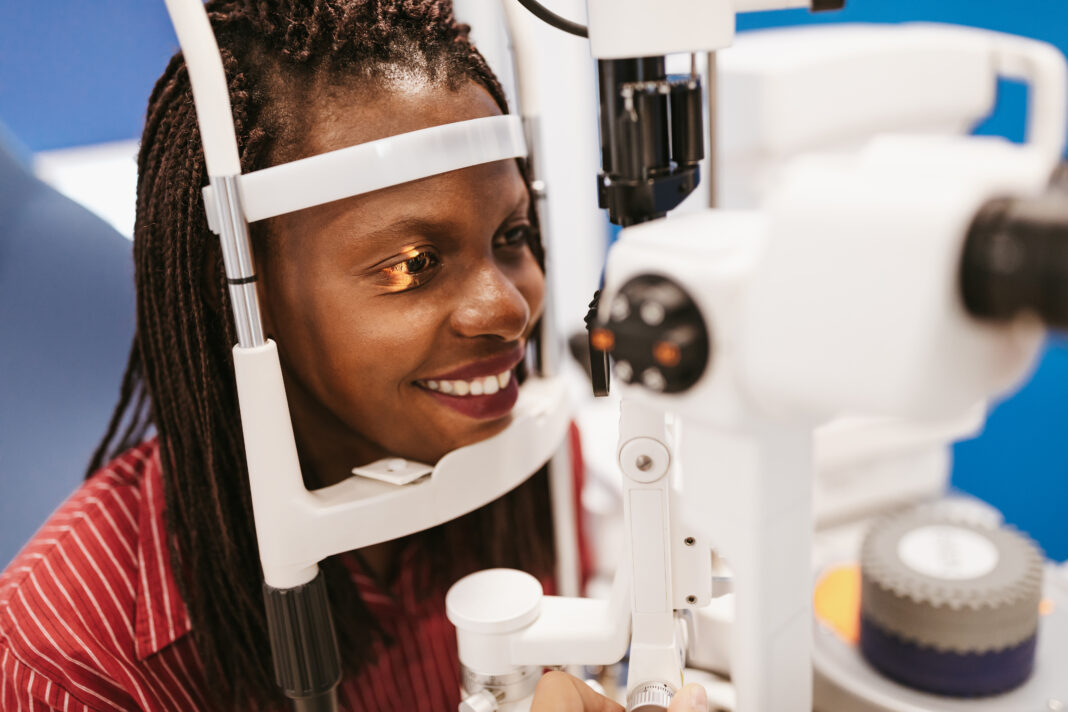


For some, the worst part of the eye exam is sitting still long enough for that puff of air to hit your eye. That puff, which is quick and painless, is a detailed, in-depth look into your eye. That simple test can reveal much more than your vision. In fact, the eye is the only place in the body where a doctor can directly view blood vessels and nerves without surgery, making it a unique window into your overall health.
According to the American Academy of Ophthalmology, some of the health conditions an eye exam may help detect include:
Diabetes
Tiny blood vessels in the retina that leak yellow fluid or blood can be a sign of diabetic retinopathy. Sometimes, this disease appears in eye tissue even before a person has been diagnosed with diabetes. Early detection can help people avoid vision loss and other serious complications.
Heart disease
Ophthalmologists may detect early signs of heart disease in the eyes. When the retina is examined carefully using an imaging tool called optical coherence tomography, doctors may detect microscopic marks left behind by an eye stroke. These marks can appear in the retinas of healthy people, but they’re found in higher numbers in people with heart disease.
High blood pressure
Unusual bends, kinks or bleeding from blood vessels in the back of the eye can signal high blood pressure, which affects one in three American adults. High blood pressure is a known risk factor in the onset and/or progression of glaucoma, diabetic retinopathy, macular degeneration and other diseases. Your doctor may notice signs of high blood pressure during a dilated eye exam.
High cholesterol
A yellow or blue ring around the cornea may be a sign of high cholesterol, especially in a person younger than age 40. Deposits in the blood vessels of the retina can also indicate elevated cholesterol. This may be the precursor to a life-threatening stroke.
Lupus
This inflammatory disease can coincide with dry eyes. Lupus can also cause swelling in the white part of the eye, the middle layer of the eye or the light-sensitive tissue in the back of the eye.
Thyroid disease
Protruding eyeballs and retracting eyelids are telltale signs of hyperthyroidism, most commonly caused by Graves’ Disease. This happens when the thyroid gland produces too much or too little hormone. Sometimes this coincides with dry eye, blurry vision or vision loss.
Many of the symptoms listed do not mean there is definite evidence of disease.
Even if your vision seems fine, you should not skip your annual eye exam. Routine eye exams can provide valuable information about your overall health, and it’s a small appointment that can make a big difference.
The American Academy of Ophthalmology recommends all adults get a complete eye examination before age 40. This is when early signs of disease or changes in vision may first appear. If you have risk factors such as diabetes, high blood pressure or a family history of eye disease, don’t delay, schedule an eye exam at an earlier age.
To find an eye doctor near you, click here