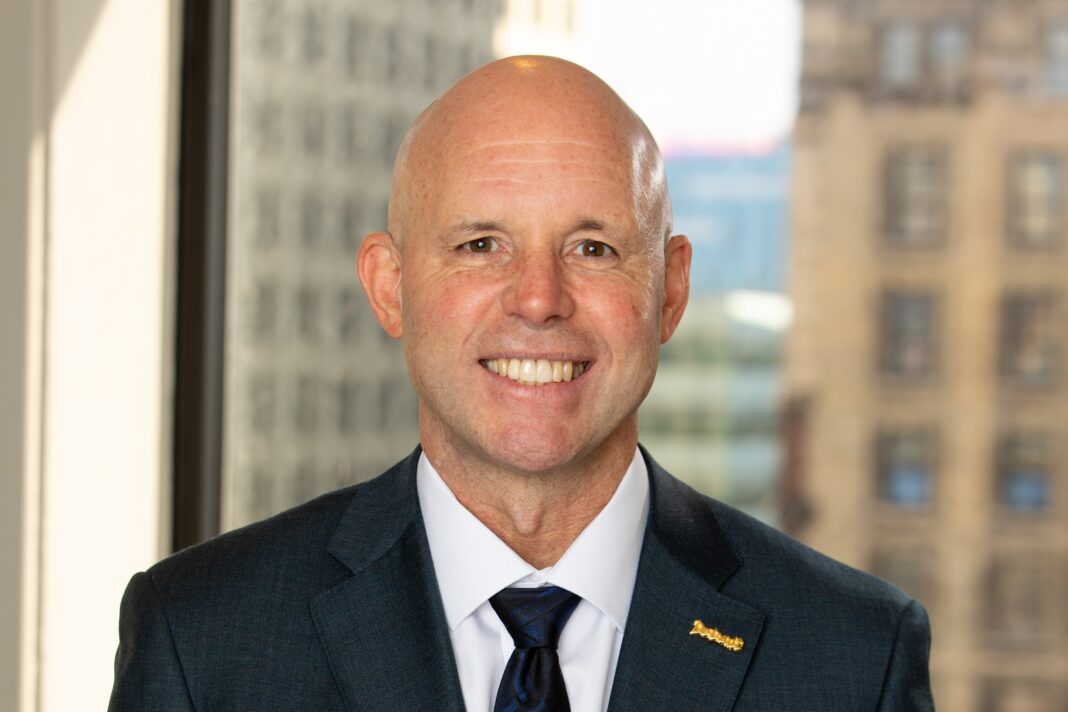

By Claude Molinari, Visit Detroit President & CEO
Over the past decade, I have had a front row seat to Detroit’s comeback. What stands out most is that our momentum did not happen by chance. It is the result of sustained, coordinated investment and a shared belief that Detroit’s best days are still ahead. By concentrating energy and resources in a compact, walkable downtown district anchored by Comerica Park, Ford Field and Little Caesars Arena, we created a powerful engine for growth. What was once episodic event traffic has become consistent, year-round activation that fuels businesses, attracts visitors and supports jobs every day of the year.
As President and CEO of the Detroit Metro Convention and Visitors Bureau, and Board Chairman of the Detroit Regional Convention Facility Authority, I have been privileged to help guide Visit Detroit’s strategy to attract meetings, conventions, leisure travelers and business visitors to our region. Within just a few blocks, our downtown is home to the Tigers, Lions, Red Wings and Pistons. That concentration of professional sports franchises in a walkable footprint is nationally unique and draws more than 15 million visitors annually. Beyond sports, the district hosts major concerts, cultural events and live performances that command global attention. The addition of a forthcoming WNBA expansion franchise will further strengthen Detroit’s position as one of the country’s most dynamic sports and entertainment hubs.
Sustained traffic has catalyzed billions of dollars in commercial investment. Signature projects such as Hudson’s Detroit and the reimagined Michigan Central have reshaped the skyline and repositioned our city as a center for mobility, technology, and innovation. New office developments and corporate expansions continue to deepen Detroit’s commercial base, while diversifying the mix of employers and amenities downtown.
Major companies including Google, Microsoft, Amazon, Ford, General Motors, Little Caesars, and DTE Energy have expanded or reinforced their presence here. National retail and hospitality brands such as Whole Foods, MGM Resorts and Marriott have invested in the market, signaling long term confidence in Detroit’s trajectory. For decades, our economy was closely tied to a single industry. Today, we are building resilience through growth in technology, healthcare, higher education, hospitality, and small business development.
Healthcare and education investments are central to this transition. The Tom Gores and Detroit Pistons “Future of Health” initiative, in partnership with Henry Ford Health and Michigan State University, will transform parts of New Center and Midtown with mixed income housing, retail, research facilities and public green space. Wayne State University’s Ilitch School of Business and the University of Michigan’s Center for Innovation Detroit Campus, scheduled to open in 2027, are strengthening our talent pipeline and helping attract and retain top talent.
Residential growth has mirrored this broader momentum. Since 2017, seven new residential buildings have opened downtown, with more in development. Neighborhoods such as Brush Park have seen rising property values and hundreds of new housing units completed or underway, reflecting renewed demand for urban living and growing confidence in the city’s core.
Hospitality development has followed. Six hotels have opened since 2017, and four more major projects under construction will add more than 1,000 rooms. From my vantage point at Visit Detroit, this expansion reflects rising demand for meetings, conventions, and major events. Investors are building capacity because our calendar is fuller and more diverse than ever.
High visibility moments accelerate that demand. The 2024 NFL Draft brought hundreds of thousands of visitors downtown and showcased Detroit to national and international audiences. When global artists sell out multiple nights at Little Caesars Arena, it reinforces Detroit’s reputation as a world class entertainment destination. Recognition such as being named to the New York Times list of places to go in 2025 further affirms that Detroit is once again a destination worth experiencing.
Employment growth has been a defining outcome of this resurgence. Our venues and surrounding businesses support thousands of permanent and event-based jobs, many filled by Detroit residents. Investments in public space, including the nearly five-mile-long Detroit Riverwalk, have enhanced quality of life while strengthening our appeal to visitors and talent alike.
As we look ahead, the priority is ensuring this growth is sustainable and inclusive. Strong partnerships across public, private and nonprofit sectors remain essential. With population growth leading the state and significant development capacity still untapped, Detroit’s evolution is far from complete. What began as an entertainment-anchored revitalization has matured into a diversified economic model, and I remain committed to ensuring the benefits of this progress are broadly shared.