
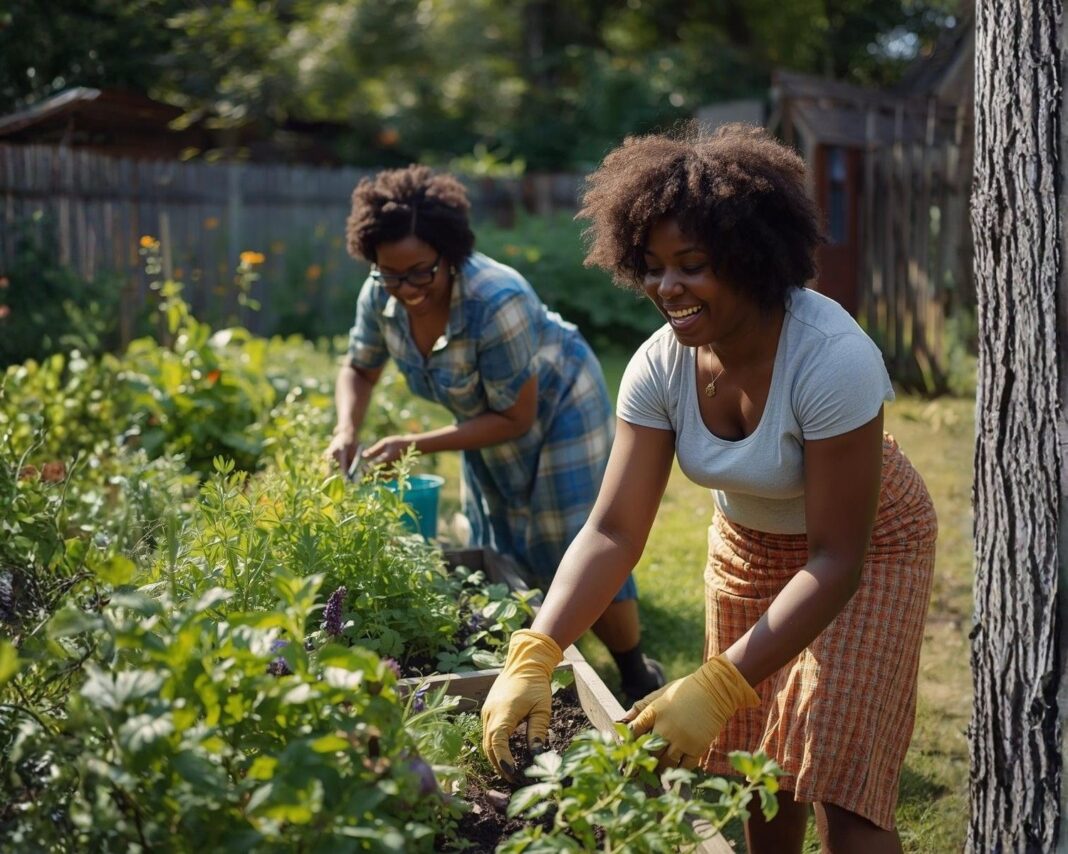


Gardening is often seen as a quiet hobby or a source of fresh food, but for many, it has become something more meaningful. In the slow rhythm of watering, pruning, repotting, and observing, there is a practice of mindfulness. In a time marked by digital overload and emotional fatigue, even a single potted plant can become a reason to pause.
There is nothing polished about starting a garden. The soil is messy. The instructions are vague. Plants rarely respond to urgency, and they do not guarantee results. Some seeds never sprout. Some leaves wilt without warning. This unpredictability is part of what makes gardening compelling. It resists control. Some things thrive with little effort, others struggle despite constant attention. Progress does not follow a schedule. The process requires flexibility and the ability to respond rather than dictate.
Unlike many wellness trends, gardening does not depend on curated aesthetics or expensive tools. It requires presence more than perfection. The simple act of observing how light filters through a window, how soil feels to the touch, how leaves shift over time, can gently return the body and mind to the present.
There is a physical mindfulness in the work. Hands in soil, breath steady, eyes focused. The task demands awareness. Pour the water. Turn the pot. Trim the stem. These small actions pull attention away from anxiety and toward what is real and right in front of us.
Many therapists and wellness practitioners recognize the therapeutic value of tending to plants. The structure of gardening—with its cycles, pauses, and small changes—mirrors what we often strive for in emotional healing. There is comfort in the repetition. There is peace in the slowness.
For those navigating stress, burnout, or uncertainty, plant care can provide a sense of grounding. Tending to something alive builds a rhythm into the day. It creates quiet, intentional moments of care. Even when growth is not visible, even when a plant does not flourish, the practice itself remains meaningful.
Not every plant will survive. Sometimes a leaf yellows, a root rots, or a pot cracks. These moments are not failures. They are reminders of how delicate and responsive life can be. The lesson is not to perfect the process, but to stay engaged with it. To show up again. To try again. To notice the shifts.
This kind of attention has a way of spreading. People begin to ask quieter questions. What else in my life needs tending? Where have I been neglectful? What needs light, water, and space?
Gardening offers no loud breakthroughs. No quick wins. But it does offer presence. It brings the body into conversation with the world around it. The senses become attuned not to performance, but to care. In this way, a small pot of mint on a windowsill can become a kind of meditation.
Spiritual wellness does not always need ritual or ceremony. Sometimes it is built through a daily act of noticing. Through watching something grow slowly, change shape, or even rest. Gardening is not a metaphor for healing. It is the practice of it. It is a place where attention becomes care, and care becomes connection.
The soil holds more than roots. It holds rhythm, memory, and stillness. And for those willing to listen, it holds space to simply begin again.