

By Biba Adams, Staff Writer and Report for America corps member
Almost everyone knows someone who has suffered from addiction. Whether they battle publicly or in private, whether they have won their fight or succumbed to their illness, Substance Use Disorder is a consistent societal problem that affects us all.
In Michigan, according to Wayne State University, over 630,000 Michiganders have substance use disorders (SUD) and about 80% are not receiving care. The rate of unmet need for SUD care in the Detroit-Dearborn-Livonia area is 81%.Shortages of providers, financial concerns, and lack of transportation may serve as barriers in patient access to SUD program services.
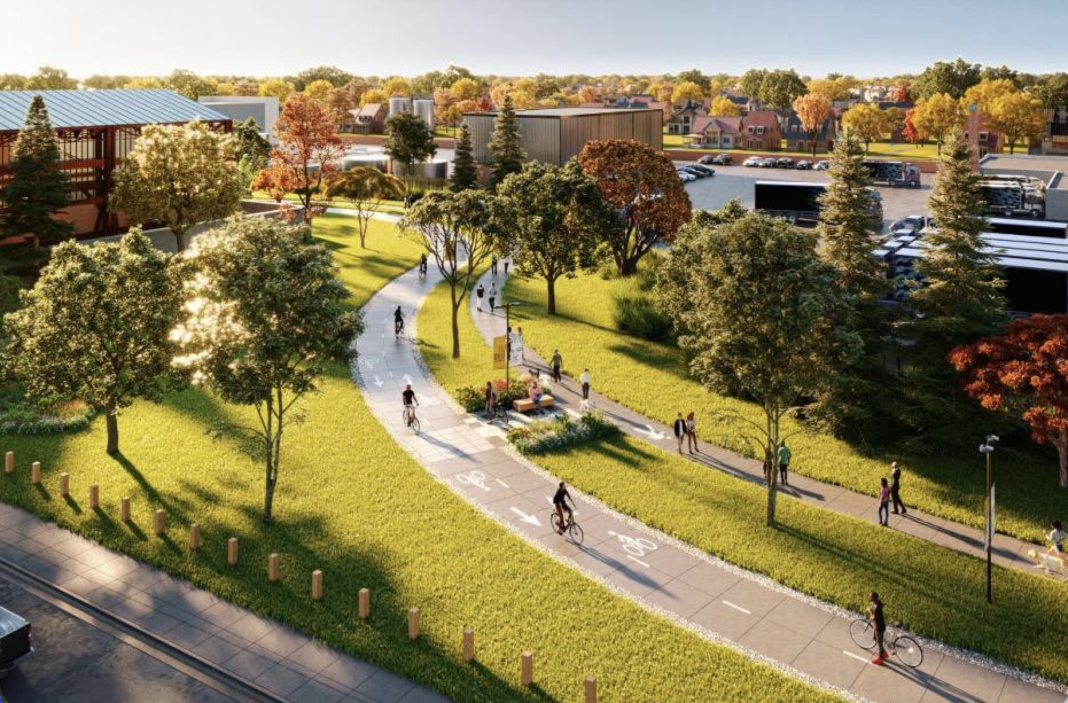
Neighborhood Service Organization (NSO), one of Michigan’s leading providers of integrated health, housing and human services, is calling on Michigan’s corporate community to become founding partners in the creation of a new park located on NSO’s Oakman Campus, along the Joe Louis Greenway.
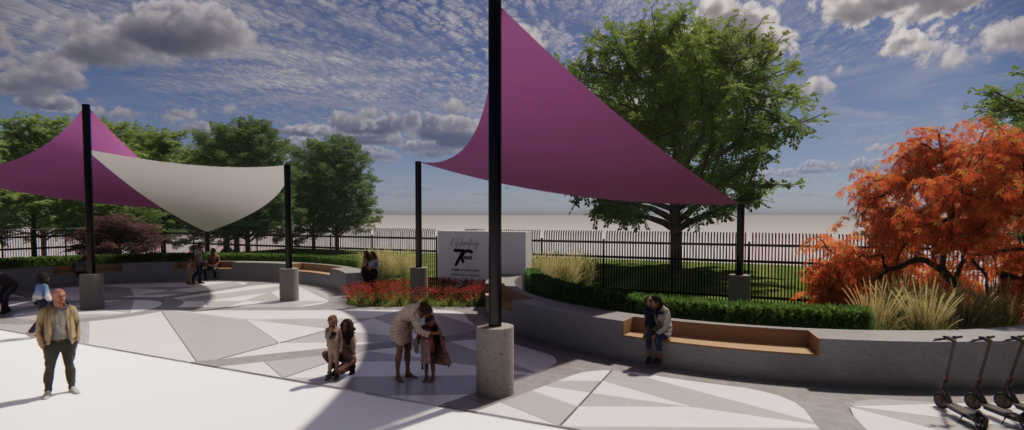
The park will serve as a transformative public space designed to promote healing, recovery and community connection while expanding access to critical substance use disorder (SUD) services; and also as a welcoming destination where individuals and families affected by substance use disorder can find hope, healing and support.
“Opioid addiction affects every community, every neighborhood and every sector of our society. It is time to eliminate the stigma that has kept those who need help in the shadows” said Linda Little, NSO President and CEO. “This park represents hope in action. It will be a place where recovery is visible, where families can heal, where lives lost to addiction are remembered, and where people seeking treatment can find a pathway forward. When individuals thrive, communities thrive; when communities thrive, businesses thrive; we are all connected. We invite businesses that are committed to strengthening Detroit to join us in creating a lasting legacy of healing and opportunity.”
As with most societal issues, Black Detroiters are affected more significantly by SUD with Black Men dying from overdose at a rate of 2.7% higher than white peers.
Zip codes like 48227 and 48228 have high populations (over 40,000), low average household incomes (under $43,100), and fewer or more distantly placed SUD facilities compared to other parts of the city.
The NSO recovery park will feature accessible green space, gathering areas and opportunities for remembrance, including a planned digital memorial honoring loved ones lost to substance use disorder. The park is intended to complement NSO’s expanding continuum of care by connecting individuals to treatment while creating a public environment that promotes wellness, dignity and community engagement.
“Recovery extends far beyond clinical treatment,” said Dr. Bill Restum, Business Development Strategist at NSO. “People recover more successfully when they have access to safe housing, healthcare, supportive relationships and spaces that foster hope and belonging. This park brings those elements together in one place while reinforcing that recovery is possible for every person who seeks it.”
“In order to reduce the epidemic of substance use disorder and get people the treatment that they need. NSO is doing its part by opening an SUD clinic. We’re starting to build a space within our Bell Building to have a substance use disorder treatment clinic,” says Little. “We believe in caring for the whole person. So not just their substance use disorder, not just their homelessness, not just their behavioral health issue. We look at the whole person, their physical health, what kinds of community supports do they need?”
NSO address needs to help sustain recovery like applications for social benefits like Medicaid, Social Security, Medicare, and veterans’ benefits.
They also help with job training or workforce development, connecting clients to sustainability and employment. “So, the whole person is who we deal with, and each person’s needs are different,” Little explains, “So we have person-centered planning that helps people to identify what issues are that they want to work on, and we support them in achieving the goals that they want to achieve in their lives.”
NSO is seeking corporate support to invest in this necessary space. Companies participating in the campaign will receive customized recognition opportunities based on their level of investment. Benefits include corporate visibility across NSO’s communication networks, employee volunteer opportunities, co-branded community initiatives, recognition throughout the park, and naming opportunities for park features, housing units, wellness spaces and the new opioid treatment unit.
“Today’s leading companies understand that corporate social responsibility means investing in solutions that create measurable, long-term community impact,” Little said. “By partnering with NSO, businesses are not simply making a donation. They are helping transform lives, strengthen neighborhoods and build healthier communities for generations to come.
You can reach Biba at Biba.Adams@MIChronicle.com