

State officials are recommending the petition initiative attempting to ban utility and healthcare companies from donating to political candidates, Michiganders for Money out of Politics, to make the November ballot.
The citizens-led effort would, if approved by statewide voters, change Michigan campaign finance laws to ban political spending from monopoly utilities and companies with state government contracts more than $250,000. It also addresses so-called “dark money,” by requiring disclosure of donors to PACs that can spend money on behalf of friendly political campaigns without naming their donors.
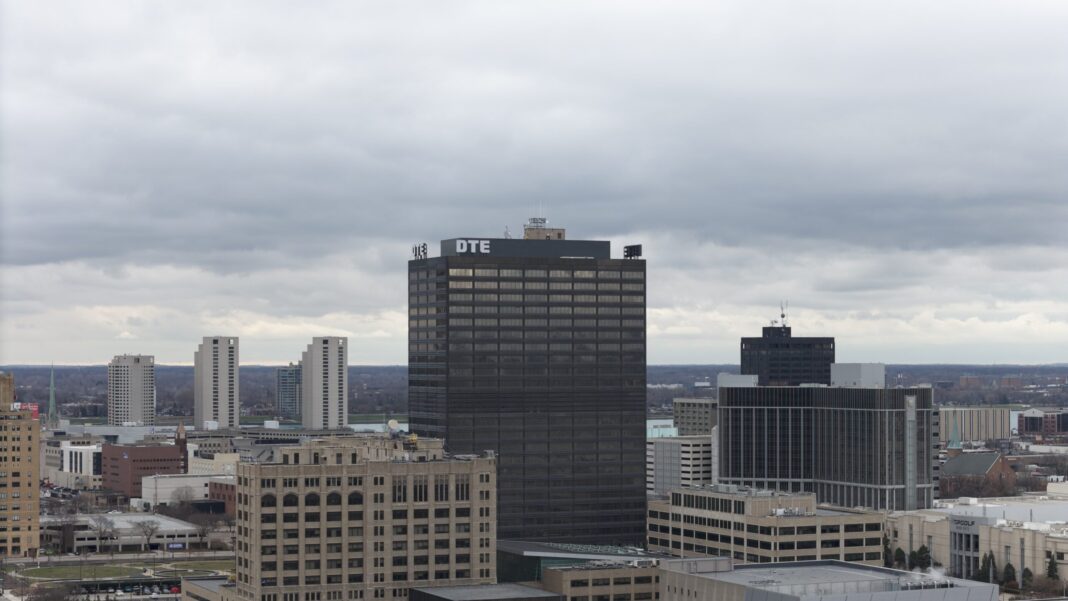
The proposal is aimed at stopping the stop political spenders in the state from influencing policy, such as DTE Energy and Consumers Energy, Blue Cross Blue Shield and the Big three auto companies. The proposal would also ban individuals connected to those utilities and other large companies from giving to political campaigns.
The ballot group turned in 561,282 signatures. The State Board of Canvassers reportedly discovered 201 improper signatures after challenges from a rival group.
A conservative-led group opposing the effort, Protect MI Free Speech, filed a challenge to specific signatures in the sample, alleging that hundreds of MMOP’s sampled petition signatures should be rejected because the signatures included apparent potential forgeries, signatures from dead people, circulator errors and jurisdictional issues.
Following a review by state officials, the group was left with a cushion of 163 signatures, according to a staff report. The state rejected challenges from Protect MI Free Speech over incomplete or misspelled city and street names, or messy handwriting.
For example, signatures were challenged because the signer indicated their full address but did not indicate “St.” following the house number and street name, as in “123 Main” instead of “123 Main St.,” the state board wrote.
The proposal would change the way the state’s large companies are able to influence candidates and politicians to support laws that benefit them instead of the public. It’s expected to face a well-financed opposition campaign should it make the ballot.
“It is long overdue for the people of Michigan to have the opportunity to rein in the corporate money and special interests that have too much influence over our politics in Lansing,” McBrearty said in a statement.
McBrearty earlier this month said challenges to valid signatures the group turned in is, “the opposition’s cheapest and easiest way to defeat us because they know they will need to invest millions of dollars in a Vote No campaign once we qualify for the ballot.”
The State Board of Canvassers is expected to address the challenges and the recommendation report at its July 24 meeting. The state Legislature could adopt the measure before it ends up on the ballot. Michigan law allows the Legislature to place an alternative measure on the ballot.
“This process is far from over,” said John Sellek, the spokesperson for Protect MI Free Speech. “We will continue exposing the sloppy work done in support of this Trojan horse proposal that will silence hundreds of thousands of everyday Michiganders and leave out-of-state billionaires to control our politics and government.”
The group has mostly been supported by progressive Democrats, who have in recent election cycles made rejecting corporate PAC money a key tenant of their platform, but it does have bipartisan support.
The Michigan Republican Party chairman said this week he’s “leaning toward going all in” to support the effort.
“I was unsure about supporting this upcoming November ballot proposal to prohibit the utility monopolies from corrupting the Legislature with their political donations,” Runestad said on social media. “But now after reading this article about their scummy, rotten self-serving profit, mongering corruption I’m leaning toward going all in for it.”