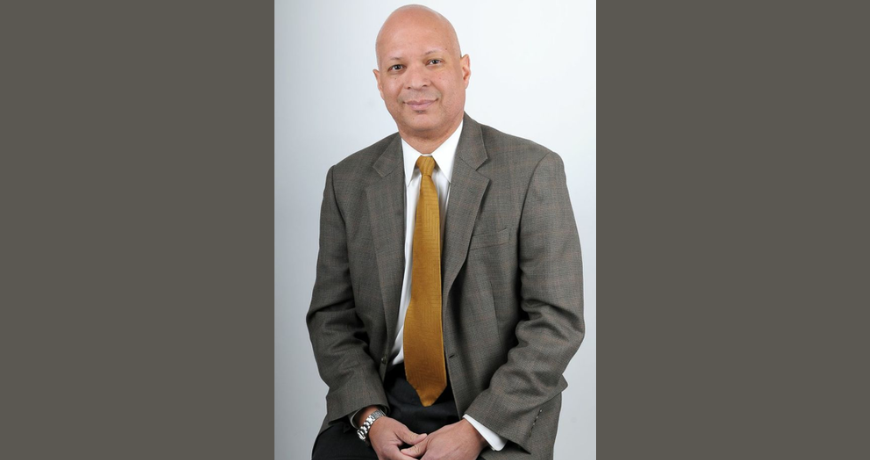

By Mark S. Lee, Contributing Columnist
As Michigan’s races for governor and the U.S. Senate accelerate, business leaders are paying less attention to campaign slogans and more attention to economic substance.
Whether they run a manufacturing plant, family-owned restaurant, technology company or startup, employers are asking a straightforward question:
Who has the clearest plan to help Michigan businesses grow, hire, and compete?
Political differences will dominate campaign ads and debates. But in boardrooms and break rooms, the conversation is much more practical. Businesses want certainty, predictability and policies that allow them to make long-term investments.
That matters because 96.2% of Michigan’s private businesses employ fewer than 50 workers according to the Michigan Center for Data and Analytics. What candidates propose for business, therefore, affects far more than large corporations.
So, what are employers looking for – and what should candidates be required to answer?
A Stronger Workforce
Michigan businesses continue to struggle to find qualified workers. The National Federation of Independent Business reports that 32% of small-business owners have job openings they cannot fill. From skilled trades and manufacturing to healthcare and technology, employers want candidates to address career and technical education, apprenticeships, higher education partnerships, and strategies to attract and retainyoung professionals.
Candidates should be required to answer: How will your administration produce more skilled workers – and how will you measure whether your workforce strategy is working?
Infrastructure That Supports Commerce
Roads remain important, but Michigan’s economic infrastructure extends well beyond pavement. Businesses depend on bridges, ports, airports, broadband, water systems, and public transit.
The Gordie Howe International Bridge, for example, reinforces Michigan’s role as a critical gateway for North American trade.
Candidates should be required to answer: Which infrastructure investments will you prioritize, how will you pay for them, and what economic return should businesses and taxpayers expect?
Predictable Taxes and Regulations
Business leaders can adapt to many policies when they know what to expect. What makes investment difficult is uncertainty.
Small businesses want streamlined regulations, faster permitting and tax policies that encourage growth rather than add administrative burdens.
Candidates should be required to answer: What will you do to make Michigan’s tax and regulatory environment more predictable and competitive?
Support for Entrepreneurs
Entrepreneurs remain one of Michigan’s greatest economic assets. But starting and growing a business requires more than an idea. Access to capital, technical assistance, affordable commercial space, and procurement opportunities can determine whether a small business survives – or scales.
Candidates should be required to answer: What specifically will you do to help Michigan entrepreneurs start, grow, and create jobs?
Economic Development and Healthcare Costs
Michigan has invested billions of dollars to attract major employers. Strategic incentives can create jobs and investment, but businesses and taxpayers increasingly want transparency and measurable results. At the same time, healthcare costs remain a major challenge for employers, particularly small businesses operating on thin margins.
Candidates should be required to answer: What measurable return should taxpayers expect from economic development incentives, and what is your plan to make healthcare more affordable for employers and workers?
Where Michigan Stands
Michigan has demonstrated that it can compete.
CNBC recently ranked Michigan No. 6 in America for Business, including No. 4 for cost of doing business and No. 9 for infrastructure. But according to the Michigan Economic Development Corporation, the state ranked No. 21 in workforce and No. 24 in economy.
Those numbers tell an important story.
Michigan doesn’t necessarily need to reinvent its economic strategy. It needs to improve in the areas where it is falling behind.
Candidates should be required to answer: What are the two or three economic weaknesses you would tackle first – and how will Michigan know whether you’ve succeeded?
The Bottom Line
Michigan’s business community isn’t looking for the loudest campaign message. It’s looking for the clearest economic roadmap.
Employers want candidates who can explain how they will strengthen the workforce, improve infrastructure, reduce uncertainty, support entrepreneurs, control rising costs and make Michigan more competitive.
The ultimate question for voters – and especially for the people who create Michigan’s jobs – is simple:
What is your plan, how much will it cost, and how will we know if it worked?
The candidates who can answer those questions with specificity – not slogans – will earn more than votes.
They’ll earn the confidence of the people responsible for driving Michigan’s economic future.
We invite readers, business owners, and future entrepreneurs to follow along, ask questions, and engage. If you have story ideas or questions, you can email Lee at mark@leegroupinnovation.com or visit leegroupinnovation.com.