
By Mark S. Lee, Contributing Columnist
Professional sports have always been about competition, passion, and civic pride. But in today’s economy, sports franchises are also powerful business platforms — brands that influence tourism, drive local spending, create jobs, and shape how cities are perceived nationally and globally. In the Motor City, that intersection of sports, culture, and economic impact is especially visible. The city’s major professional sports franchises — Tigers, Red Wings, Pistons, and Lions –are not only part of the city’s iconic identity, fabric, and psyche, but are key contributors to the region’s economic ecosystem.

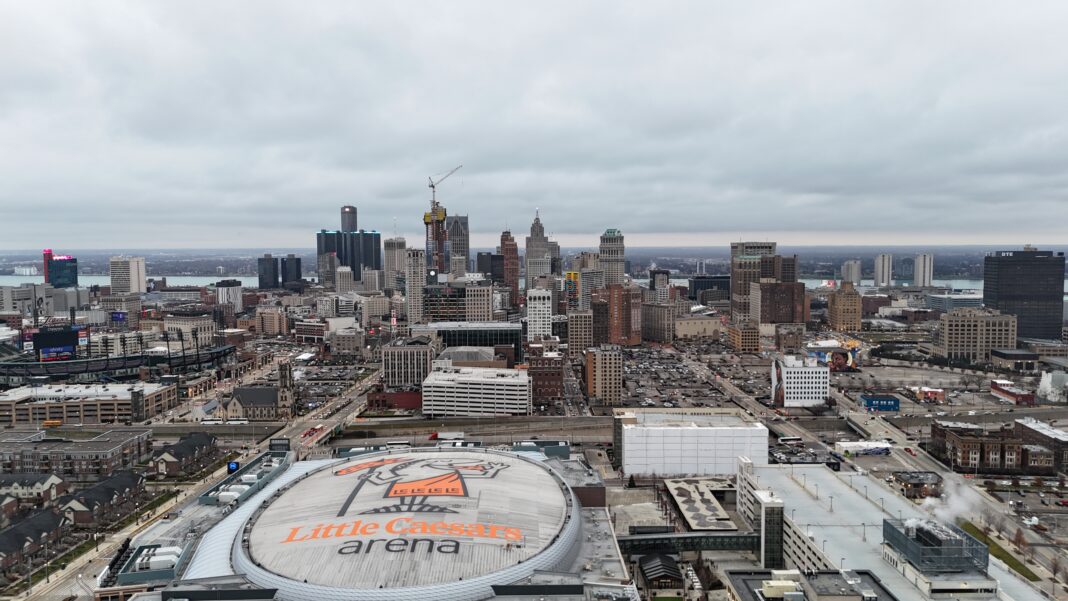
Helping guide how two of these iconic teams, the Tigers and Red Wings, connect with fans and the broader community is Asia Pierson, Senior Vice President, Brand Marketing, Ilitch Sports & Entertainment. The organization oversees the Tigers and Red Wings, along with large-scale experiences at Little Caesars Arena (LCA) and Comerica Park.
Sports extend far beyond logos, ticket promotions, and advertising campaigns. It involves shaping the narrative of a city, strengthening community relationships, and sustaining economic activity year-round.
Not only a source of local pride, a sports franchise also functions as an economic engine.
Each game day generates a ripple effect across the local economy. Thousands of fans traveling downtown contribute to restaurant traffic, hotel bookings, retail spending, parking services, and transportation demand. These activities support jobs and generate tax revenue that benefit the broader community and are closely aligned to driving consumer spending which drive ongoing and enhanced economic growth and activity.
Teams build strong emotional connections which can translate into long-term, generational loyalty that drives ticket sales, merchandise purchases, and corporate sponsorships.
One of the most important challenges facing sports organizations is balancing heritage with innovation. Longtime fans value tradition, while younger audiences often engage with sports through digital platforms, interactive experiences, and modern merchandise.
According to Pierson, the key is balancing tradition and modernization without losing identity.

“We modernize traditions without replacing them,” she explains. “That means, offering modern and exciting merchandise that keeps up with new trends while preserving the legacy of both brands, updating season campaigns and in-game presentations each year.”
This approach extends into the physical fan experience as well.
“We integrate heritage into new campaigns to keep legacy symbols visible and invest in experiential areas at Little Caesars Arena and Comerica Park that mix historic displays with interactive technology,” Pierson says. “And we leverage storytelling that connects past heroes with current players.”
And community engagement also plays a critical role.
“Community engagement is extremely important to us,” Pierson says. “We build emotional connection through community programs, charitable initiatives, and local partnerships. This emotional bond increases loyalty that extends beyond team performance.”
And representation matters.
Diverse leadership teams bring perspectives that shape how brands connect with broad audiences and tell more authentic stories.
“Brand messages resonate more authentically across demographics and storytelling gains nuance informed by lived experience,” she adds. “This strengthens emotional connection with fans of the Red Wings and Tigers, and venue audiences across the portfolio.”
Investing in community relationships, innovation, and understanding of the emotional connection is what drives economic growth.
In Detroit, the influence of sports continues to extend far beyond the arena and ballpark. When teams engage fans, invest in neighborhoods, and create meaningful experiences, the benefits ripple throughout the local economy.
And when brand strategy aligns with community impact, the result is more than entertainment — it becomes a catalyst for economic momentum across the city.
We invite readers, business owners, and future entrepreneurs to follow along, ask questions, and engage. If you have story ideas or questions, you can email Lee at mark@leegroupinnovation.com or visit leegroupinnovation.com.