
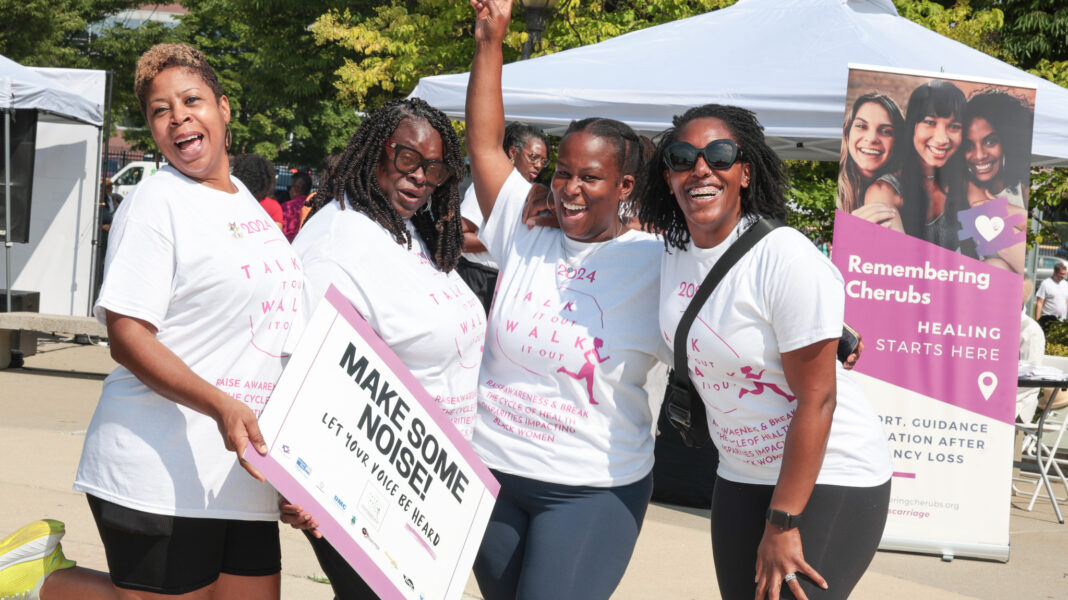

For Monica Anderson, the push to create Black Women’s Health Month started not with a campaign, but with a heartbreaking loss.
After losing her infant son at birth and later suffering a miscarriage, Anderson looked for support but found few resources for grieving Black families. Instead of accepting this, she started Remembering Cherubs to help families find the support they need.
As Anderson continued her work, she realized the problem was even bigger than she first thought.
“I realized pregnancy and infant loss were just one part of a much larger crisis,” Anderson said. “Black women are more than twice as likely to have a stillbirth and three times more likely to die from pregnancy-related complications than white women. But the disparities don’t stop there.”
Now, Anderson is leading an effort she hopes will grow beyond Detroit. She wants Black Women’s Health Month to become an annual movement that raises awareness about health inequities Black women face and builds community-based solutions.
“This work began as more of a wound than a movement,” she said.
Anderson believes the problem isn’t biological, but systemic.
“Black women’s bodies are not the problem,” she said. “These disparities are largely preventable. They’re rooted in systemic racism, historic discrimination, food deserts, medical mistrust, and not being listened to in healthcare settings.”
Anderson says that while awareness months often pass quickly, Black Women’s Health Month gives people a real chance to keep important conversations going all year.
“The data tells a story that goes unheard the other eleven months of the year,” she said. “Black Women’s Health Month is how we say, out loud and together, our health matters.”
The movement starts on Saturday, Aug. 1, with Talk It Out, Walk It Out at the Charles H. Wright Museum of African American History. This free event brings together education, movement, conversation, and wellness activities for Black women.
Hosted by WDIV Local 4’s Tati Amare, this year’s event centers on the theme “Healing for the Culture.”
People who attend can join a community conversation, take part in an awareness walk, try mini-workshops, watch healthy food demos, shop from Black-owned vendors, and enjoy a month of health events across Metro Detroit. Each participant gets a Health Passport to help them connect with presenters and learn about topics like reproductive health, chronic disease prevention, mental wellness, and digital health.
“We’re expanding access points all over the city so a woman can find a way to engage near her all month long,” Anderson said.
Anderson believes that community is at the center of this effort, and it’s something modern healthcare can’t replace.
“Community is medicine,” she said. “When we gather, we share information that can save lives. We trade the names of doctors who actually listen. We learn that the symptoms we’ve been quietly enduring are worth taking seriously.”
She thinks healing often starts when you realize you’re not alone in what you’re going through.
“So much of what harms us is isolation,” Anderson said. “Every part of Talk It Out, Walk It Out is designed to turn strangers into a support system.”
This idea goes beyond just the event.
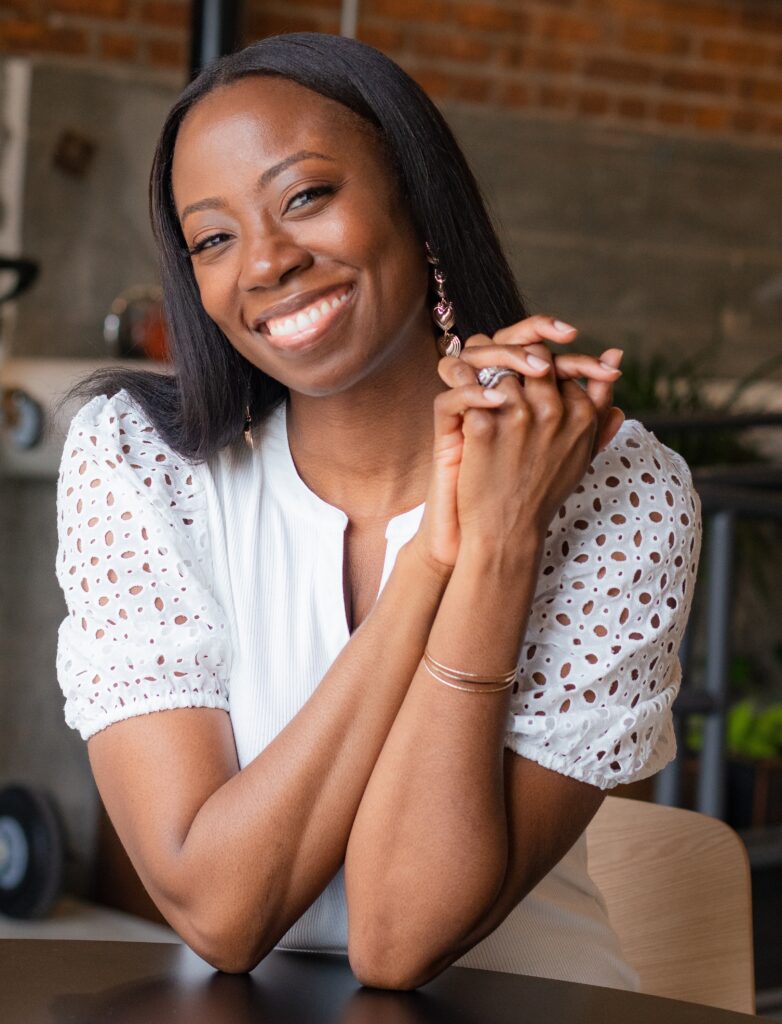
Anderson knows many Black women are used to putting others first. She isn’t asking for big changes, but instead encourages small, steady acts of self-care.
“Schedule the appointment you’ve been putting off. Take one walk. Ask one question at your next doctor’s visit,” she said. “Prioritizing your health is not a single grand gesture; it’s a series of small, stubborn acts of self-respect.”
In the end, Anderson wants the movement to spread well beyond Detroit.
She imagines a future where Black women don’t have to fear going to the hospital to give birth, where chronic illnesses are found early and not ignored, and where preventable health gaps are a thing of the past.
“I started this journey in the most painful way imaginable,” she said. “If that pain can be transformed into a movement that helps other women live longer, healthier, more supported lives, then his memory is doing extraordinary work in this world.”
For Anderson, this work is just getting started.
She hopes Black Women’s Health Month will grow from a Detroit project into a statewide and then national movement. Her goal is for future generations of Black women to have better health than those before them.
“This is just the beginning,” she said. “The disparities Black women face are a national crisis, and they demand a national response.”