



According to Planet Detroit, there are approximately 2,200 community gardens and farms in Detroit, as of 2023. The site notes that “Detroit’s urban agriculture stems from a mix of individual and group projects. As Detroit faces an ongoing food desert, these green spaces offer more than just produce. The gardens provide fresh goods, connect the community and beautify vacant neighborhoods.”
In 1951, Alice Burlingame, a Detroit native and psychiatric social worker, began studying the positive effects of gardening (or horticultural therapy) on people with disabilities and older adults. Ms. Burlingame and Dr. Donald Watson would go on to host a highly successful workshop on the therapy, prompting Michigan State University to become one of the first universities to offer classes in horticultural therapy.
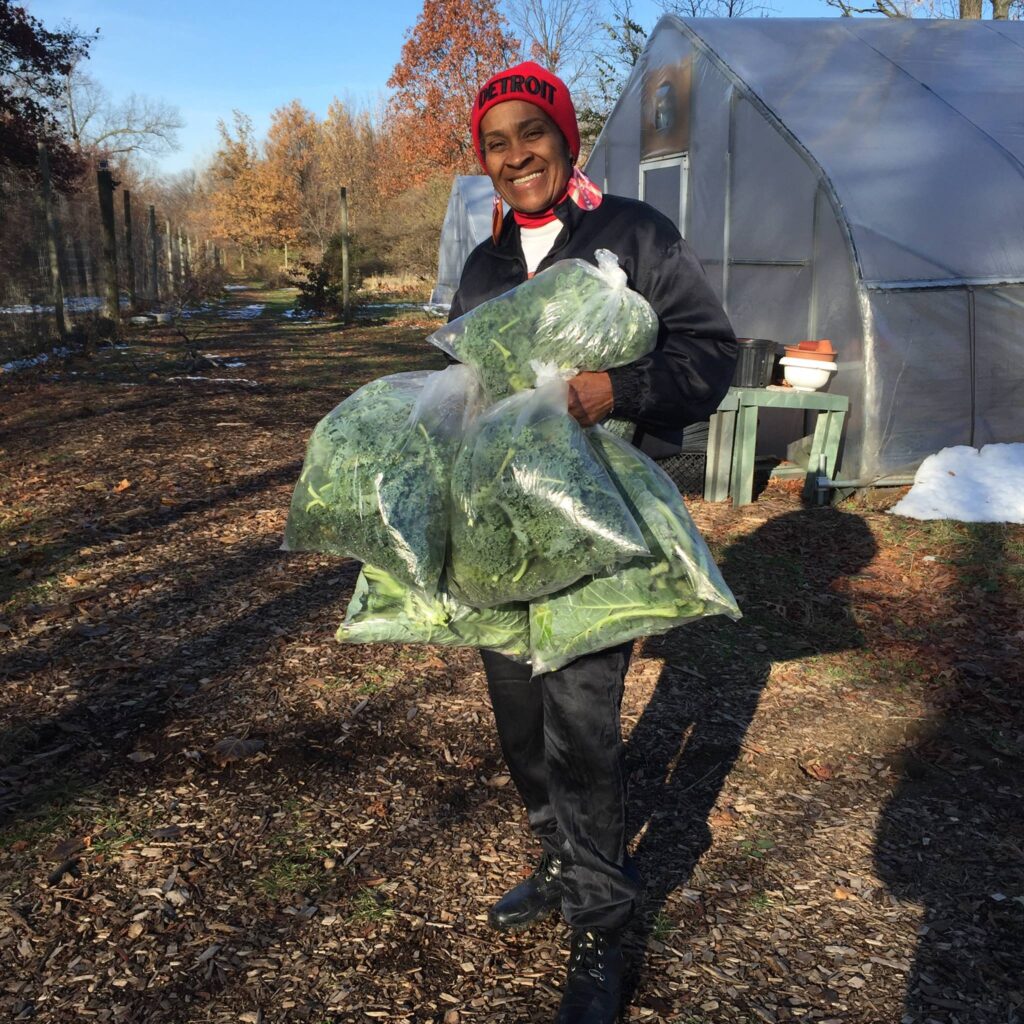
Examples of horticultural therapy include offering group activities to improve social skills and reduce isolation. As well as having participants plant seeds of varying sizes to help with fine motor skills, or creating a dish garden with a variety of plants and decorations to encourage creativity, increase self-esteem, and improve hand/eye coordination.
Whether it is for pure enjoyment, beauty and aesthetics, or as a viable food source, gardening has been one of the world’s oldest activities and pastimes.
Malik Yakini, co-founder and former executive director of the Detroit Black Community Food Security Network, which manages D-Town Farm and the Detroit People’s Food Co-Op, shared that as a senior himself, he directly sees the benefits threefold. “There are health benefits to being in nature, being in fresh air. You know, getting out of a building and being in fresh air has benefits. Being in the sunshine has benefits. You know, helps to activate our vitamin D.”
He adds, “There is also the physical benefit of movement. As you get older, sitting for long periods without moving becomes more difficult to do. So, gardening helps with that mobility.”
“There is also the social benefit. Community gardens provide an opportunity to talk to other people, spend time with them, and catch up on the news in your community. The same can be true for a small family garden. My daughter comes over every Sunday, and we get out in the garden, and it gives me the chance to spend time with her and catch up with what’s going on in her life.”
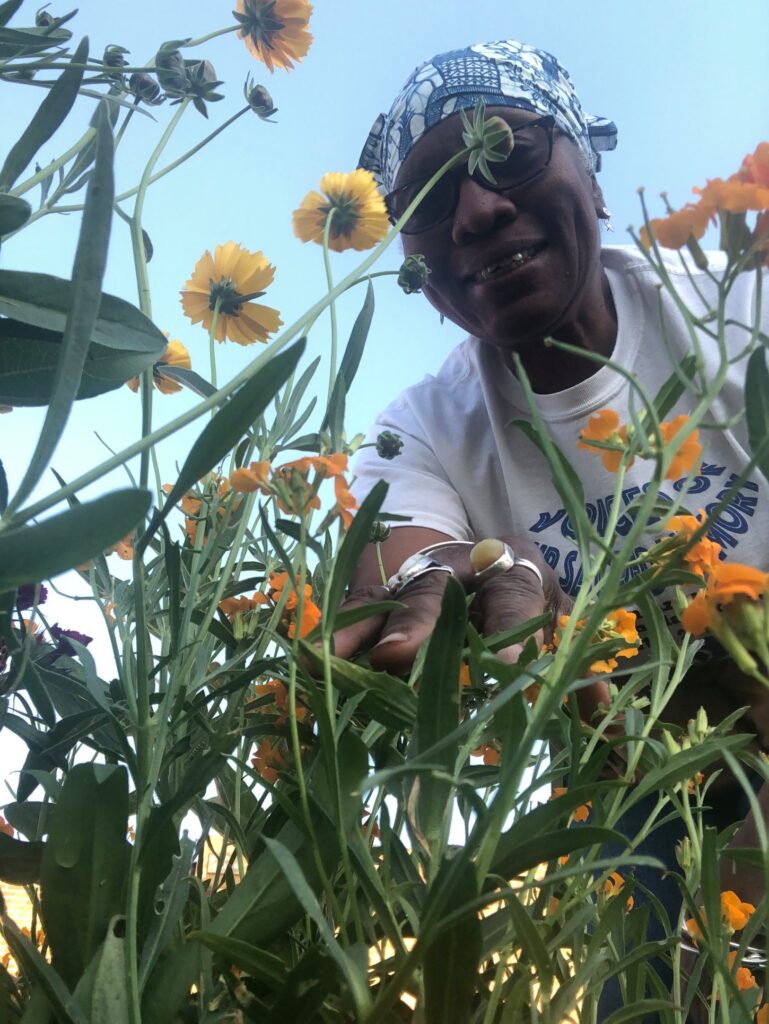
A 2025 study in the Journal of Environmental Psychology notes that “Overall, the median age of death for participants who never gardened was 88.4 years, while it was 89.7 years for people who reported frequently engaging in gardening, an extension of over a year.
“Our results suggest that gardening may support wellbeing and longevity, with potential implications for aging in place for older adults,” the study authors concluded.
The City of Detroit has also recognized the importance of the rise of community gardens. The Urban Agriculture Division was established in 2023. This division connects urban farmers with city resources and shapes policy on land access, urban farming, food systems, water, and sustainability, supporting a closed-loop, locally grown food network.
Tepfirah Rushdan, Director of the Office of Sustainability for the City of Detroit, states, “Community gardens not only beautify neighborhoods and increase access to fresh food, but they also create trusted spaces for residents to enjoy the outdoors, get fresh air, and stay connected to their community. Detroit seniors have not only benefitted from these spaces, but have also helped lead and sustain the city’s gardening movement by passing knowledge on to the next generation.”
The City built a relationship with Red Flower Growers, a small urban farm and community garden business. The organization installs gardens at numerous senior communities. Tiffany Pilson Evans is the founder. She notes that less than a decade ago, she received a spiritual message. “God told me, ‘Feed my people.'” She then began to establish a family garden on a vacant lot next to her westside home. In her relationship with the City, Pilson plants flower gardens at local senior centers. She
The senior center gardening program is a perfect complement to the Mayor’s Senior Food Program, which brings farm-fresh produce to senior buildings. This 16-week pilot brings nutritious food directly to senior buildings across all 7 City Council districts, helping ensure older Detroiters have access to the healthy meals they deserve.
In Grand Rapids, the Dorothy & Peter Brown Jewish Adult Day Program at Breton Village Green Apartments has planted fruit and vegetable gardens tended by its senior residents. Through careful research, they discovered that gardening had a positive impact on their dementia and memory care patients.
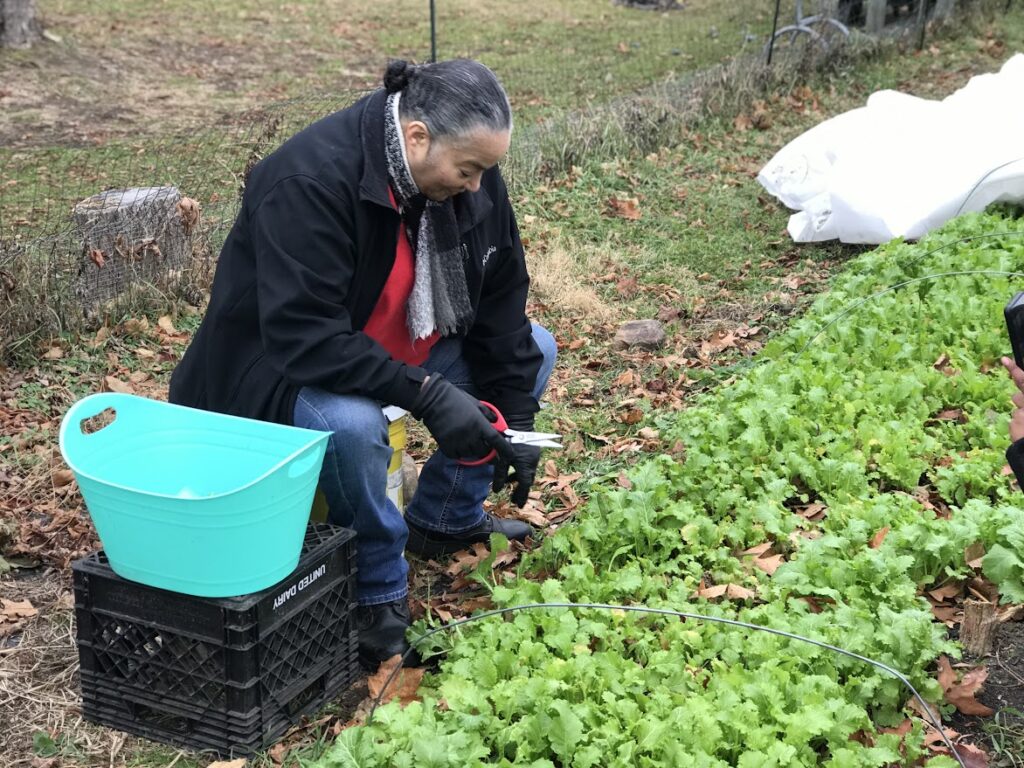
Megan Lipka, Service Coordinator at Breton Village Green, notes, “Many individuals struggling with Neurological Degeneration, such as Alzheimer’s and Dementia, see the most impact with regard to short-term memory. Gardening, for most, is something they have engaged in for many years; it remains a meaningful and enriching activity that individuals can enjoy on a day-to-day basis without feeling insecure or experiencing a loss of personal dignity due to difficulties with their memory. Individuals can also continue to stay active and foster relationships in their community by engaging in a community garden as they age.”
“Prior to expanding the garden, I researched the way our bodies metabolize different nutrients as we age and provided residents with literature discussing such information/how to ensure each individual gets nutrients specific to their diet/needs,” Lipka says.
She adds, “At times, I will search for recipes to provide our residents with that include ingredients found within the garden. Additionally, I searched for fruits and vegetables used
within a variety of ethnicities to ensure that everyone felt included/had access to produce that aligned with their beliefs/dietary constraints.”
It should be said that the greatest benefit of a home, community, or family garden is fresh food.
Yakini sums it up, “The food that is produced in gardens, assuming the food is grown in ways that are chemical-free, has multiple health benefits. It’s nutrient dense, and so we get lots of the vitamins and minerals that we need from those vegetables, and the benefit of fresh, healthy food that has not been contaminated by the various things that capitalism uses to both increase growth, to increase shelf life, and in other ways increase profits. So the food grown in these gardens is food grown for people, not for profit.”