



By Linda Little and Adam Hollier
If you ask most people about affordable housing, they picture a challenge affecting only those living at the margins of society.
But that perception is increasingly outdated.
Today, housing affordability is impacting working families, seniors on fixed incomes, young professionals, teachers, healthcare workers, first responders, landlords, nonprofit organizations, and entire neighborhoods.
Across Detroit and communities statewide and nationwide, housing costs continue to rise while the systems designed to create, preserve, and sustain affordable housing struggle to keep pace.
The reality is simple: affordable housing is no longer a niche issue. It is an economic issue, a workforce issue, a health issue, and a community stability issue.
The question is no longer whether we have a housing affordability problem. The question is whether we are willing to work together to solve it.
Coming together to find solutions
That is why Neighborhood Service Organization and Wayne County Community College District are convening leaders from housing, government, education, finance, philanthropy, community development, healthcare, and social services for an event titled Hometown Summit: A Vision for Affordable Housing on July 1 at the WCCCD Northwest Campus in Detroit.
Headlined by keynote speaker Marcia L. Fudge, former U.S. Housing and Urban Development Secretary, the goal of this event is not to promote a single solution or advance a particular agenda. In fact, one of the greatest challenges facing housing today is the assumption that any single policy, funding source, or organization can solve a problem this complex.
No one sector can do this alone. Instead, we believe progress begins by identifying the structural barriers that continue to drive housing instability and by bringing together stakeholders who rarely have the opportunity to sit at the same table.
As we prepare for this conversation, three realities stand out.

Housing has become too expensive to build
Developers, nonprofit housing organizations, and community partners face growing construction costs, labor shortages, financing challenges, insurance expenses and regulatory hurdles. Even when funding is available, the economics of developing affordable housing often remain extraordinarily difficult.
If we want more affordable housing, we must address the costs and barriers associated with producing it. Communities cannot solve housing shortages while it continues to become harder and more expensive to build.
Too few people are producing housing
This is a challenge that receives far less attention than it deserves.
Detroit, like many communities, needs more developers, builders, contractors, nonprofit housing organizations, skilled trades workers, and investment partners capable of creating housing at scale.
Housing production requires talent, expertise, workforce development, financing, and collaboration. Without a stronger pipeline of housing producers, even the best policy ideas will struggle to achieve meaningful results.
This is where educational institutions like Wayne County Community College District can play an important role. Just as Detroit’s innovation ecosystem has helped foster entrepreneurship and economic growth, our educational institutions can help cultivate the workforce, partnerships, and leadership necessary to support long-term housing solutions.
The eviction process is not working well for anyone involved
Too often, tenants experience housing instability that can trigger broader financial and personal crises. Landlords face mounting financial pressures and delayed resolutions. Courts and service providers are asked to manage increasing caseloads with limited resources.
The result is a system that frequently leaves everyone in a worse situation.
A healthier housing ecosystem requires more than simply reacting to crises. It requires prevention, mediation, supportive services, and processes that help preserve housing stability whenever possible while maintaining housing viability for property owners.
These conversations are not always easy. They involve competing priorities, limited resources, and complex realities.
Addressing these concerns head-on
Meaningful progress rarely comes from avoiding difficult discussions. It comes from bringing together diverse perspectives, acknowledging shared challenges, and identifying practical paths forward.
At Neighborhood Service Organization, we see every day how housing stability impacts health, employment, education, family well-being, and long-term economic opportunity. Housing is often the foundation upon which individuals and families build every other aspect of their lives.
At Wayne County Community College District, leaders recognize that workforce development, economic mobility, and community prosperity are deeply connected to stable housing and thriving neighborhoods.
Together, we believe Detroit has an opportunity to lead. Not because we have all the answers, but because we understand that sustainable solutions require collaboration across sectors that too often operate independently.
The affordable housing challenge did not emerge overnight, and it will not be solved overnight. But by bringing together policymakers, developers, landlords, educators, advocates, funders, service providers, and residents, we can begin building the relationships and momentum necessary to create lasting change.
Housing affects all of us. Its solutions should involve all of us as well.
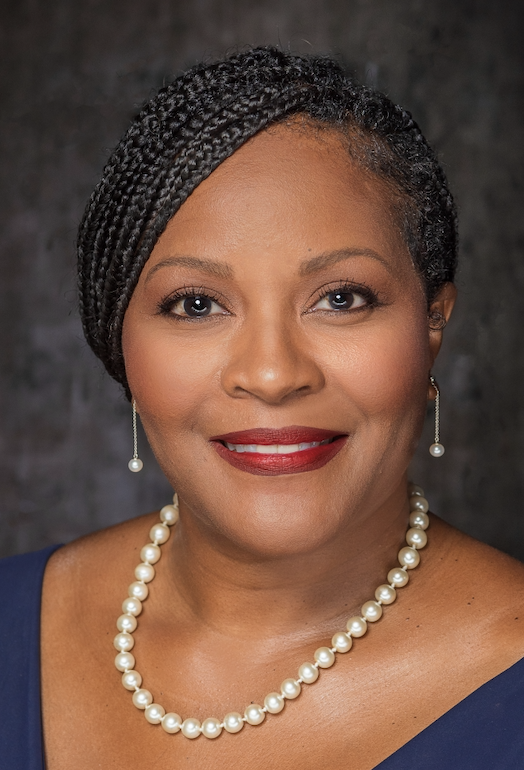
Linda Little is President and CEO of Neighborhood Service Organization (NSO). Adam Hollier is a former Michigan State Senator.