

Detroit is unlike most cities around the world.
But being the most highly concentrated Black city in America comes with its share of perks. When young Black boys are searching for mentorship and leadership within folks who are older than them, they don’t need to search far to find it. Luckily, men like Dr. Calvin T. Mann have been around for ages to answer those calls.
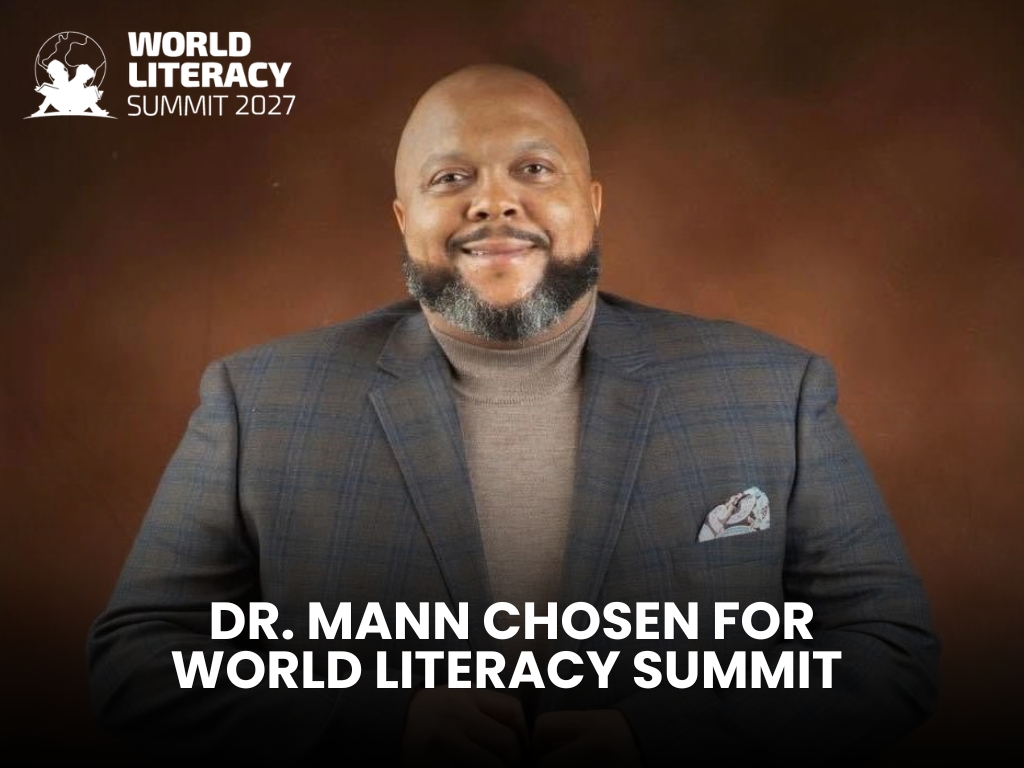
Mann is a man of many skills and callings. Recently he got a call to speak at the 2027 World Literacy Summit at the University of Oxford.
The journey to Oxford began long before he was selected to speak at the summit, though. In many ways, it began on a basketball court, with a group of young players wearing warm-up shirts bearing a message that would eventually become the foundation of his life’s work: “Encourage Me, I’m Young.”
Nearly four decades later, that message has reached thousands of young people, inspired families, and helped shape community-based programs throughout Detroit. Now, Mann is preparing to take the story behind that work across the Atlantic, where he’ll share his approach to literacy, fatherhood, and youth development with an international audience.
Earlier this month, it was announced that Mann, founder of Encourage Me I’m Young, had been selected as one of 450 speakers from more than 85 countries to participate in the summit in England. He’ll be the only speaker based in Detroit.
“I didn’t know too much about the opportunity at first. I was in one room and my wife was in another. I’m filling out this information online about my proposal, and when I get to the end, it says the dates and that it’s over in the U.K.,” he said. “But thousands and thousands of people sign up to speak each year. I knew my experiences in life – helping young boys become better leaders in Detroit – could resonate with any audience, honestly.”
His presentation, titled “When Fathers Read, Boys Rise: A Relationship-Centered Framework for Early Literacy, Family Engagement, and Community Restoration,” will explore the connection between fathers, family involvement, and the literacy development of young boys.
For Mann, the opportunity is a chance to bring attention to work that’s been decades in the making.
His journey began in 1987, when, at just 23 years old, he became the youngest varsity basketball coach at a suburban Detroit high school. He coached girls before joining his uncle’s staff to coach the boys’ team. Together, they helped numerous young people earn opportunities to attend college, including some who hadn’t even played for them.
But coaching also gave Mann an opportunity to see young people beyond their athletic abilities. As his own children grew older and he became more involved in the community, he began recognizing challenges facing families and young people that he hadn’t fully understood from the sidelines.
He wanted to do more than talk about those challenges. He wanted to become part of the solution.
In 2004, as violence continued taking the lives of young people throughout Detroit, Mann began printing shirts carrying messages of encouragement and affirmation. He’d learned the printing trade by working for free on his days off, and what started as an effort to put positive messages into the community gradually developed into something much bigger. With the help of several collaborators, he established Better Detroit Youth Movement, receiving nonprofit status in 2007.
The organization eventually evolved into Encourage Me I’m Young, carrying forward the message that had first appeared on his basketball team’s warm-up shirts. The clothing line gained unexpected exposure when its designs appeared on television programs and attracted the attention of well-known entertainers and athletes. Yet, for Mann, the shirts were never simply about clothing. Their messages were intended to remind adults that young people need patience, encouragement, understanding, and opportunities to grow.
One particular encounter helped reinforce that purpose. After an especially difficult experience trying to get his shirts in front of people who could help expand the initiative, Mann was approached by a woman who noticed his frustration. She encouraged him to keep going, later returning to purchase a shirt for her son. On the back was a message directed toward adults, asking them to recognize the needs of children as they grow into teenagers and young adults.
It was a reminder of why he’d started in the first place.
As the organization developed, Mann’s attention increasingly turned toward mentoring boys and restoring families. Around 2010 and 2011, while working in the juvenile justice system, he became troubled by what he was seeing, particularly the number of young boys entering a system that seemed to be responding to problems rather than preventing them.
“You would see the same kinds of young people in and out of there for the same kinds of reasons. Oftentimes they didn’t have father figures or constructive examples of what manhood looked like,” he said.
He began organizing a mentoring program for boys on Detroit’s east side, initially bringing together approximately 350 young people through a simple flyer. The program required participants to spend an hour in a classroom before heading to the gym. Sports provided an incentive to participate, but the real work happened through conversations, lessons, and relationships.
The program operated on limited resources, with families contributing whatever they could afford. Despite those limitations, Mann established clear expectations around behavior and respect. He recalls that the program went through its entire run without even a fight taking place.
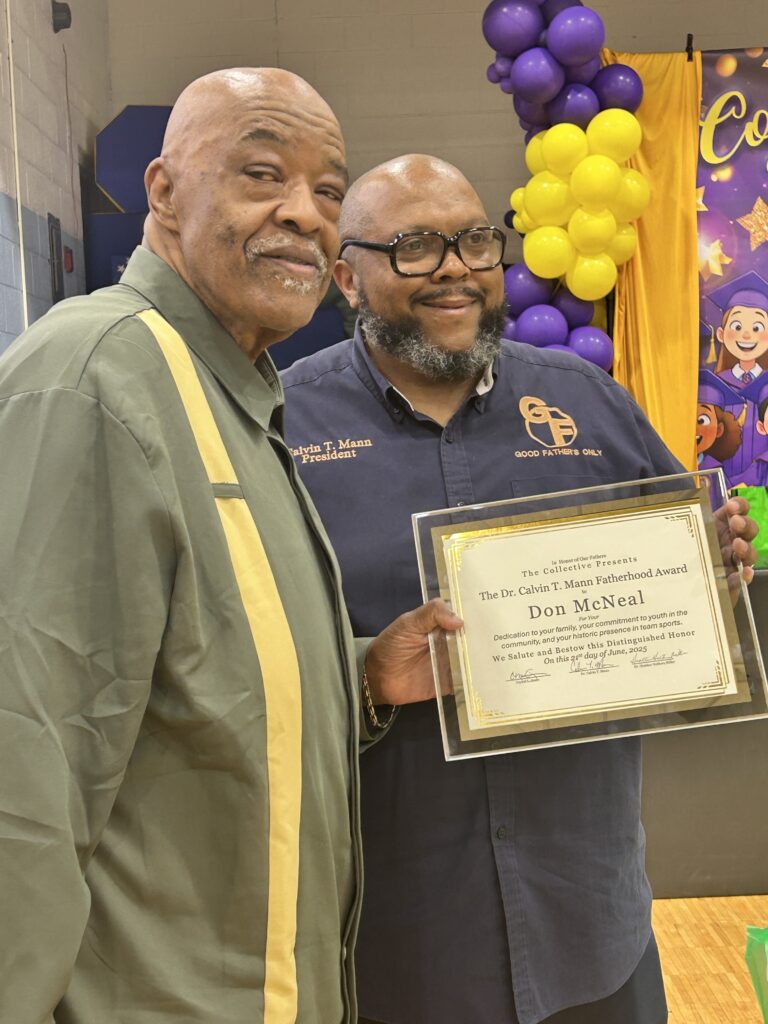
Eventually, the initiative expanded through partnerships with churches and community organizations, reaching thousands of boys and bringing young people into contact with mentors, educational opportunities, and other supportive programs. Mann also helped establish fatherhood celebrations, community events, and initiatives designed to bring men together around their responsibilities to children.
His work increasingly centered on an idea that would become fundamental to his approach: helping boys requires engaging the families and adults responsible for raising them.
That philosophy led to the development of Good Fathers Only, an organization focused on the men in boys’ lives. Through his programs, Mann began emphasizing parental involvement, family activities, emotional development, community service, and positive experiences outside the environments young people encounter every day.
Today, Encourage Me I’m Young works with boys ages eight to 14, while Good Fathers Only works to strengthen the relationships surrounding them. The mentoring model has evolved to require meaningful parental participation, with Mann reporting approximately 98 percent parent involvement. His team also takes its work directly into neighborhoods through a mentoring bus that visits sporting events and community gatherings, making connections with families where they already are.
The organization’s reach has grown considerably. According to Mann, his initiatives have put his team in front of more than 16,000 boys through schools, mentoring programs, and community outreach. The press release announcing his Oxford selection reports that the broader Encourage Me I’m Young initiative has reached more than 20,000 young people and adults.
In 2024, Mann recognized another urgent need within the communities he serves: literacy.
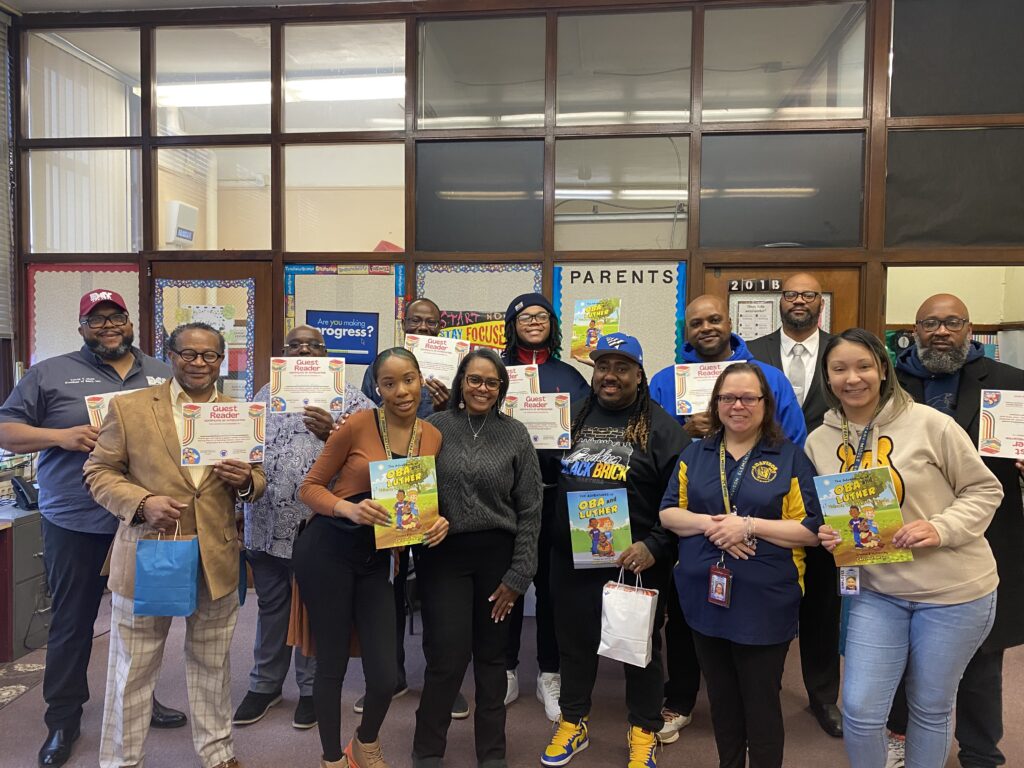
He and his team launched Reading is Life, a reading initiative designed to address the literacy challenges facing boys while building on the relationships already established through mentoring. The early results caught his attention. In one six-week cohort, a participant read six books, while another read 84. In another group, boys collectively demonstrated significant reading progress, reinforcing Mann’s belief that the program’s approach could make a difference.
“We know that just by picking up a book, not only does it expand young people’s minds, but it also occupies their time. While they could be doing anything else – getting in trouble, doing something silly – they’re growing,” he said.
Literacy is connected to confidence, cognitive development, communication, and the opportunities available to them throughout life, he said. He believes fathers have an essential role in that process, and that encouraging men to become active participants in their children’s development can help change outcomes for entire families.
That belief is at the heart of his upcoming presentation.
The World Literacy Summit, hosted at Oxford University since 2012, brings together educators, researchers, publishers, and policymakers to share ideas and encourage collaboration around literacy. The 2027 gathering is scheduled for March 31 through April 3 and is expected to attract approximately 1,600 delegates, along with ten networking events.
World Literacy Foundation CEO and founder Andrew Kay emphasized the importance of reaching communities through different settings and approaches.
“Literacy initiatives are carried out in a variety of local settings, such as classrooms, libraries, and community halls,” Kay said. “The purpose of the Summit is to promote learning and encourage collaboration among all individuals involved in this vital work, transcending national boundaries.”
Mann’s selection places Detroit’s community-based approach within that international conversation. His presentation will offer an opportunity to discuss how literacy, fatherhood, mentoring, and family engagement can work together to support boys during some of their most formative years.
The invitation also reflects the evolution of a mission that started with a simple message printed on a basketball shirt. What began as an effort to encourage young athletes has grown into a network of programs focused on education, relationships, and community restoration.
Mann said he’s approaching this opportunity as someone who sees how much more needs to be done. His vision includes expanding Reading is Life, increasing the organization’s capacity, and establishing a permanent facility where more boys and families can benefit from its programs.
“The message that started it all still applies. Young people need encouragement, adults need to show up, and families need opportunities to grow together”
Mann will carry that message from Detroit to Oxford, sharing a belief that’s guided his work for nearly 40 years.