
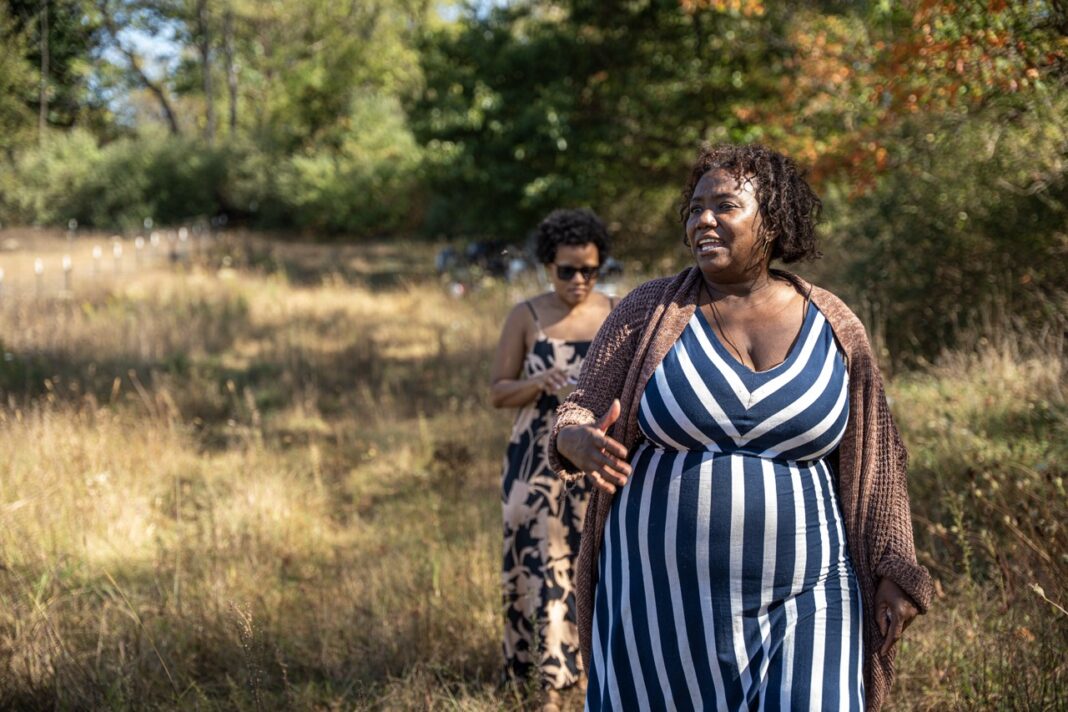

By Danielle K. Brown & Jasmine Snow, Contributors
No matter how successful Shara Trierweiler became in her years-long finance career, it never seemed to make being a mom to her two children, Philomena and Dominic, any easier.
Balancing a demanding career with motherhood was notoriously difficult, but Trierweiler’s challenges were unique. Her son Dominic is autistic and requires special care – a guardianship most people in corporate America struggle to comprehend. The demands of her then-job clashed with parenting. The late nights, stressful travel and short rest were always met with the joys and struggles of motherhood and caregiving.
Trierweiler is just one of many Black women who are choosing to transform their dreams in ways that allow them to also act as caretakers for those with special needs. The transition allows their loved ones to live full lives. For Trierweiler, the unhappiness of navigating an unaccommodating career weighed on her and her family.
That was until a chance meeting that changed her life.
Seeking a break from her routine, Trierweiler took her kids to enjoy a state fair. While admiring the livestock, she struck up a conversation with a woman who she initially mistook for a volunteer. Trierweiler was surprised to learn she was actually the owner.
“She introduced me to the organic movement and that was it…I was like, ‘you know what? I like mushrooms and I like to eat pork,’” Trierweiler said.
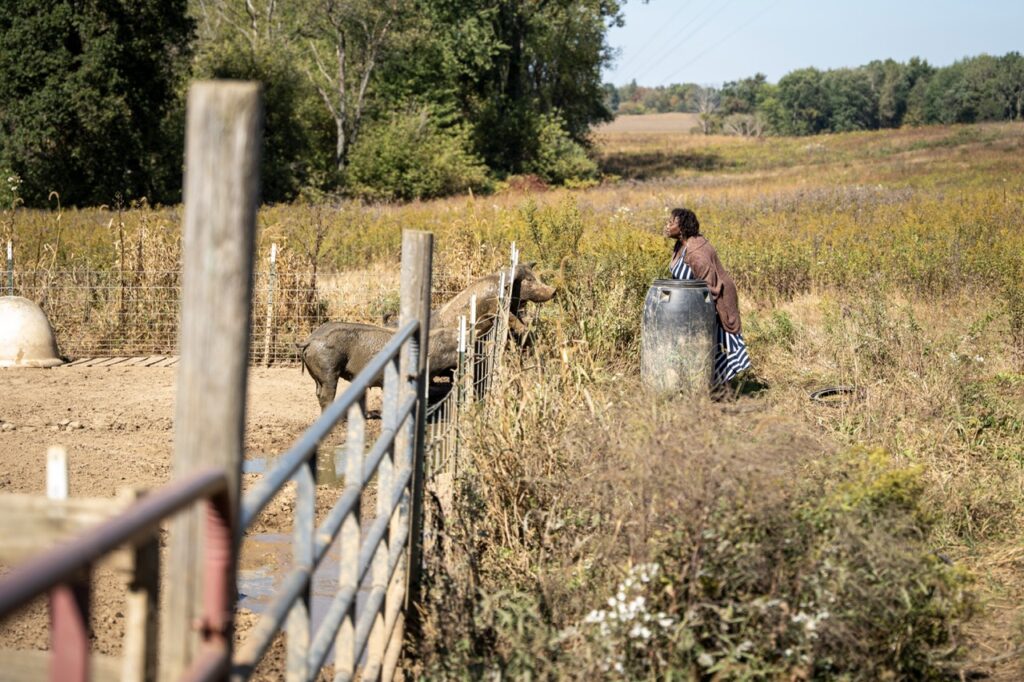
So, she traded finance for agriculture, opening Agape Farms in Danville in 2020 to raise pigs and grow mushrooms. While farming brought new kinds of stress and chaos, it provided the flexibility she needed for her children.
“Dominic loves the farm. He lives for it,” Trierweiler said. “Having a son with autism and kind of seeing him have the dignity of work is just fantastic.”
People with disabilities face a highly complex pathway to employment. These hurdles extend far beyond societal barriers, such as an unconscious bias that affects many during the hiring process. Some disabilities make full-time work impossible, cutting employees off from crucial employer-sponsored benefits and health insurance.
While federal programs like Social Security Disability Insurance (SSDI) and Supplemental Security Income (SSI) offer financial and medical lifelines, access is dictated by disability severity, work history, strict income caps and the ability to navigate an increasingly opaque system. To receive financial support from SSI, most participants must have income at or below the poverty line. Yet this government support alone rarely covers the actual cost of living.
This creates a devastating catch-22 for those who want to work: a regular-paying job builds assets that can jeopardize SSDI and SSI status, even if that income can’t cover private health insurance.
“It keeps people stuck in poverty,” Ajauné Thomas, director of leadership programs at the Michigan Disability Rights Coalition, explained. Losing that safety net could drastically change a person’s quality of life, and force people to choose between a paycheck and survival, many avoid earning income altogether. Navigating the application processes to reinstate government aid can be punishing, and application wait times are aggravated by historic backlogs.
Yet, the value of work goes beyond the paycheck. It provides a social connection, fosters independence and develops life skills.
That’s exactly what Dominic finds back at the farm, where he enjoys bagging, moving and harvesting mushrooms best.
Having her son work alongside brings Trierweiler joy. “It gives me the best opportunity to be a mother and to be able to be functional in my children’s lives,” she said.
Michigan offers additional dedicated resources designed to supplement federal aid benefits. Wendi King, a former special education teacher, pointed to Michigan’s support for young adults beyond the age of 18 through the Free Appropriate Public Education (FAPE) program. Michigan’s Department of Education allows students with disabilities to attend public school until they are 26. This helps provide those with learning and developmental disabilities more time for the instruction, structure and community provided by public school systems.
“In my experience, Michigan is probably one of the better places to live, if you do have a different kind of ability level,” King said.
In the classroom, King saw firsthand how these programs could benefit some students. Yet she agonized over the reality waiting for them on the other side of graduation. King said she saw capable, eager young adults sidelined by a job market unwilling to accommodate them. And, once their public schooling ends at age 26, many are left without opportunity and community.
King feared for their futures. “If I retire or they graduate, what’s going to happen to them?” she wondered.
After more than 30 years of teaching, King retired to co-found Able Allies, a Lansing non-profit vocational training program for individuals with diverse abilities, many of them her former students.
Cody Titus, an Able Allies participant, is learning service skills at Poppa’s Cookbook, a local restaurant and catering business. Titus is often tasked with greeting customers and delivering orders. Some days he also helps in the kitchen. He’s become a bit of a local legend, particularly on Sundays.
But he’ll never go home with a traditional paycheck through an arrangement that King said allows Titus’ family to retain the state-sponsored benefits that help keep him healthy and safe.
“So, Cody gets paid in Diet Coke and free food.”
Without avenues like those on the farm and through Able Allies, opportunities for adults like Dominic and Cody are scarce. Still, creating these experiences can have a personal toll that most would not understand. The cost—financial and physical—is mounting for King and Trierweiler. King has put off rest; her partner has pushed through health challenges. Trierweiler says she dreams of the “opportunity to exhale” on the farm.
Dominic’s role on the farm has helped Trierweiler find peace in the process, but she has another motivation that keeps her going too: her daughter, Philomena.
“I want her to see that this thing that I have fought for, and this thing that we’ve had to sacrifice for so much, has actually worked,” Trierweiler said.
King knows the grind will bring her and her husband to a halt if they don’t slow down, but she says that providing opportunities for young adults through Able Allies will always be the priority.
“They are going to get to be as able as they can for as long as I have breath. And hopefully after I’m gone.”