


Detroit’s mental-health landscape tells a familiar American story: when systems fail to see Black women, those women are forced to carry their pain in silence. Anxiety, grief, chronic stress, trauma — they have lived through it while caring for families, sustaining communities, and holding the city together across generations. Yet the systems meant to support them remain distant.
Recent data from Centers for Disease Control and Prevention (CDC), the nation’s leading public-health agency, shows that just 15.3 percent of Black adults in the United States received any mental-health treatment in 2023, compared with 25.6 percent of white adults. That disparity stretches across counseling, medication, and every level of care. Even when Black adults report the same symptoms or levels of distress, treatment engagement remains significantly lower.
A deeper barrier sits behind those numbers.
Across the entire country, only four percent of psychologists are Black, a mismatch that leaves many Black women searching for culturally competent providers they may never find. Representation in therapy is not decoration; it is trust, comprehension, and safety. It is the difference between vulnerability and withdrawal.
CALM, a Detroit-based nonprofit founded by Takyra Fulton, has stepped into this breach with intention. Their new “Therapy Within Reach” program offers free mental-health counseling specifically for Black women who cannot afford traditional care. The initiative was initially funded entirely by Black women business owners — a testament to how often Black communities must build their own safety nets when systems fall short.
The program was born from CALM’s work inside shelters, youth programs, and organizations serving women navigating instability. Everywhere they went, they heard the same question: “How don’t we know about you?” It was not simply curiosity. It was exhaustion — from fighting trauma alone, from trying to be strong without support, from believing that therapy was “for other people” who had both access and representation.
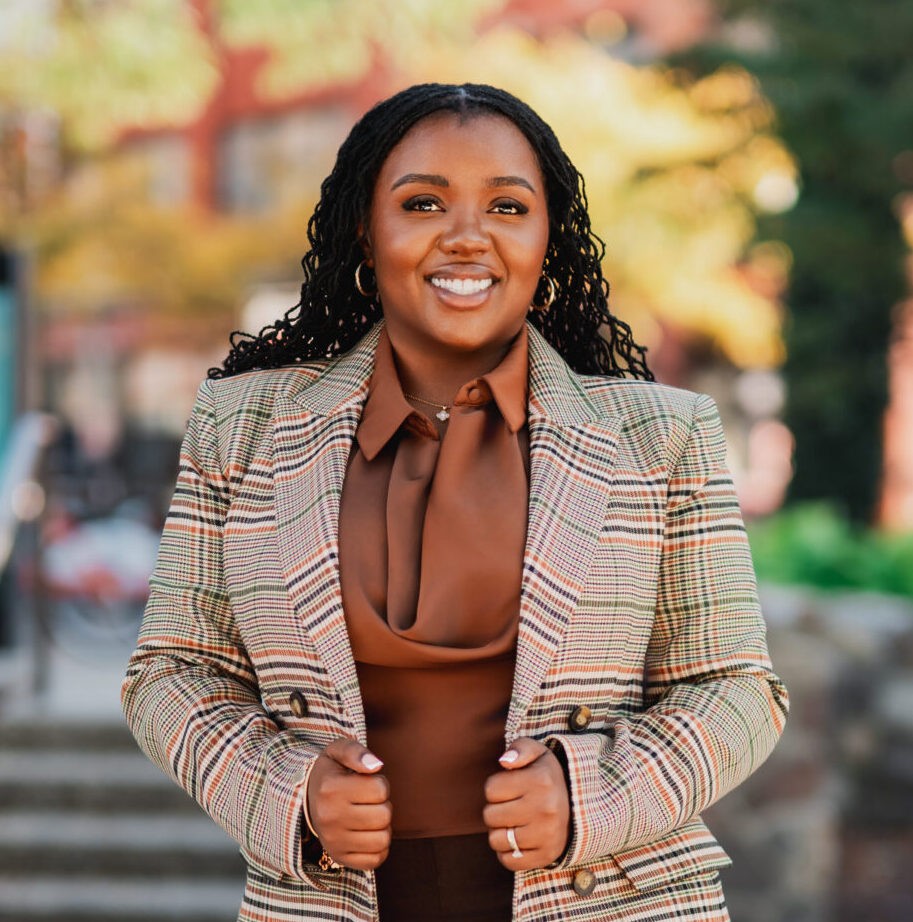
“We’re not just offering therapy; we’re bringing healing directly to women who need it most,” Fulton said. She expects the program to support at least 50 women through its initial rollout. But the number only hints at the deeper goal: changing the expectation that Black women must survive without care.
The program arrives during a moment of cultural shift. Across the country, Black Americans — especially young Black women — have become increasingly vocal about therapy, grief, burnout, and the emotional cost of being “the strong one” in their families. National reports show a rising openness to mental-health support, and therapists across the country describe notable increases in Black clients seeking care. One 2024 provider survey reported a 25 percent increase in Black men entering therapy compared with pre-pandemic years, a trend that mirrors what advocates say they are seeing among Black women as well.
But desire is not the same as access. Therapy remains financially out of reach for many Detroiters, even those with insurance. And for Black women, the search for a therapist who understands their cultural reality — the unpaid labor they carry, the systemic barriers they navigate, the generational trauma embedded in Black life — is often the biggest obstacle.
CALM designed its program to remove the roadblocks one by one. The organization partners with local shelters, including programs that house teen mothers, ensuring therapy reaches women where they already are. Their model acknowledges that trauma is not abstract — it is shaped by housing insecurity, food instability, caregiving burdens, and the ongoing economic pressures facing Detroit families.
Their work also arrives at a critical time of year. Holiday months often heighten emotional strain for women who are carrying grief, financial stress, or the weight of keeping families afloat. Detroit’s harsh winters have always made survival harder; emotional survival is no different. CALM’s approach offers therapy paired with support groups and wellness experiences, providing women with the grounding many have long gone without.
“Every woman deserves the opportunity to embrace calm, to heal, and to thrive,” Fulton said. It is a simple sentence, but within it is a push against decades of normalized depletion and cultural expectations of strength.
The barriers that keep Black women from therapy are neither new nor mysterious — cost, distrust, racial bias in medical systems, and the scarcity of providers who understand their lived experiences. Those forces shape outcomes long before a woman ever walks into a counseling room. CALM can’t rebuild the entire system, but it is addressing the gap in front of it: women who have asked for help without knowing where to turn, women who have carried trauma while caring for everyone else.
As CALM raises funds to expand “Therapy Within Reach,” the work becomes less about a single program and more about whether mental-health access for Black women is treated as essential rather than optional.