
By David Cowan, Guest Contributor
It is easy to judge a city by what rises above it — new buildings, cranes on the skyline, and headlines announcing investment.
But the real measure of a city’s health happens at street level.
It shows up in whether people feel welcome in a park. Whether families gather in public spaces. Whether neighbors see their community reflected in the places where they meet, celebrate, and spend time together.
Public spaces are where civic life lives.
Across Detroit, from neighborhood parks to Downtown gathering spaces, these places help define how we experience the city. They support small businesses, create opportunities for community events, and offer something every city needs: shared space where people from different backgrounds can come together.
At the Downtown Detroit Partnership, we have seen firsthand how intentional investment and stewardship can transform public space.
Campus Martius Park, once an underused area, now welcomes more than five million visitors each year. Beacon Park, Paradise Valley Park and Plaza, Capitol Park, and other Downtown spaces have become active destinations that host concerts, family programming, cultural celebrations, and community gatherings.
But the lesson from this work is simple. Public spaces are never finished.
They evolve as neighborhoods evolve. They respond to how people use them, what communities need, and how cities grow.
That is why Detroit is continuing to invest not just in parks themselves, but in the knowledge and partnerships needed to make them better.
Recently, the Downtown Detroit Partnership secured a $100,000 Community Placemaking Grant through the national nonprofit Project for Public Spaces. The grant supports new ideas for improving the streets and public spaces surrounding Campus Martius Park and Cadillac Square, helping us adapt to the growing number of people who live, work, and visit Downtown.
Project for Public Spaces (PPS) is a global leader in placemaking — the practice of designing public spaces with communities so they reflect how people actually live, gather, and connect.
This June, Detroit will be the host city, with DDP serving as co-host, for the Fifth Annual Placemaking Week with Project for Public Spaces, bringing practitioners, community leaders, planners, and advocates from around the world to exchange ideas about building more people-centered cities.
But this gathering should not be limited to planners and professionals.
Detroit’s neighborhood leaders, block clubs, and community organizations should be part of the conversation too.
That is why the PPS is offering scholarships for local neighborhood groups to attend Placemaking Week. These scholarships will give community leaders the opportunity to learn practical tools for improving parks, activating vacant spaces, strengthening neighborhood identity, and creating public spaces that reflect the people who use them every day.
The knowledge shared during Placemaking Week can apply just as much to a neighborhood park on Detroit’s west side as it does to a large Downtown space. Ideas about community programming, small business activation, safety, and design are relevant across the city.
Great public spaces do not happen by accident. They happen when communities are invited to shape them.
Detroit’s resurgence has brought new energy to the city. The next phase of that growth must ensure that public spaces across our neighborhoods continue to evolve in ways that reflect the people who live here.
Because the truth about great public spaces is simple: they are never static. They are living places that grow and change with the communities around them.
And the more Detroiters help shape them, the stronger our city becomes.
Neighborhood organizations interested in learning how to improve their local parks and gathering spaces are encouraged to apply for scholarships to attend Placemaking Week this June in Detroit at PlacemakingWeek.org.
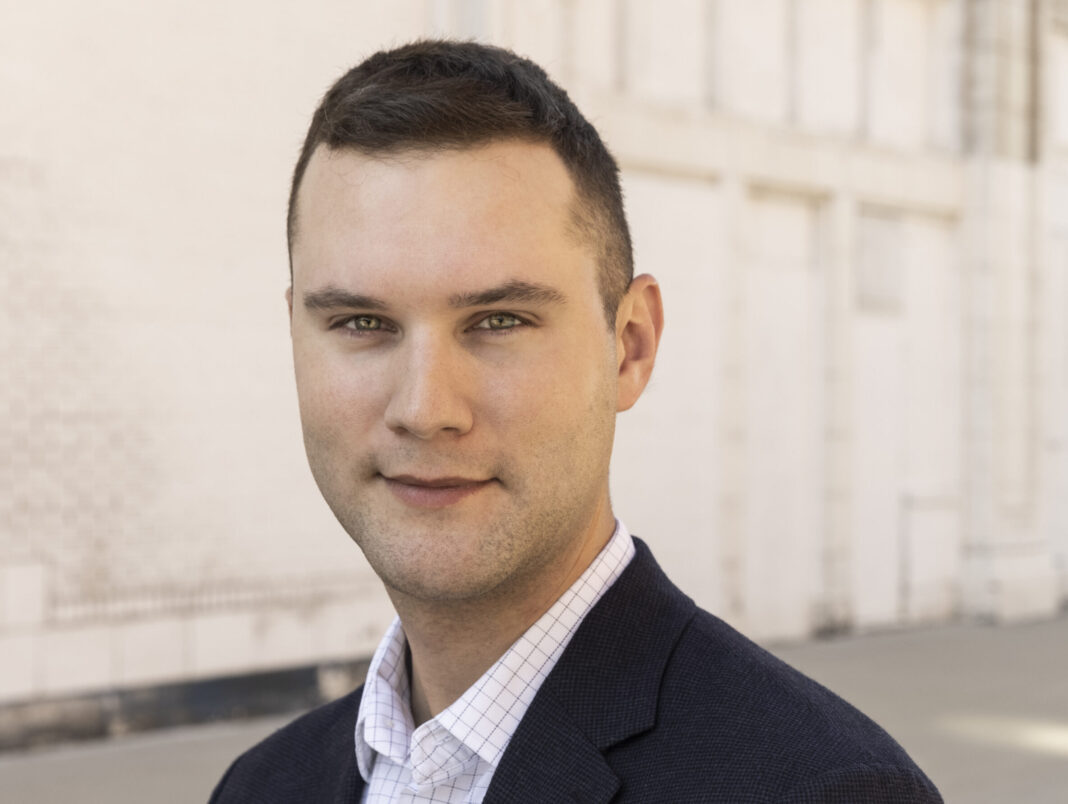
David Cowan is Chief Public Spaces Officer for the Downtown Detroit Partnership. A native Detroiter, he leads the team responsible for programming and stewarding Downtown Detroit’s parks and public spaces, which host more than 1,200 events and activities each year.