
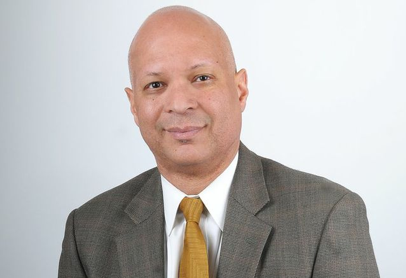

By Mark S. Lee, Contributing Writer
Detroit’s economic momentum is increasingly being defined not just by large-scale development but by intentional investments in small businesses, neighborhood corridors, and homegrown talent. All critical components of a vibrant city.
In her first State of the City address Tuesday night, Mayor Mary Sheffield carved out a business-focused agenda centered on small business support, access to capital, streamlined processes, and workforce alignment—signaling a continued push to make Detroit more competitive while focusing on business sustainability and growth.
At the core of that strategy is a renewed commitment to entrepreneurs.
“We’ve got programs (like) Motor City Match, which supports business owners,” Sheffield said, pointing to grants of up to $50,000 designed to help activate storefronts and bring new ventures to life across the city.
The Mayor discussed ongoing support for startups. Through a new round of funding for early-stage businesses, the city is working to ensure entrepreneurs can start and grow a business without leaving.
“We announced our second round of recipients…providing early money for innovative startups to scale right here in the city of Detroit,” Sheffield noted.
That focus extends beyond startups. Longtime businesses are also a priority.
“Our legacy business program provides funding for businesses that have operated in our city for over 30 years,” she said, reinforcing the importance of sustaining businesses that have helped shape the city’s identity.
Access to everyday essentials—and the businesses that provide them—is another key piece of the equation. The city is expanding efforts to bring smaller-format grocery stores into underserved neighborhoods.
“We’re bringing back and expanding our neighborhood grocery program,” she said. “We need to see more small grocers open up…”
Still, access to funding alone won’t move the needle if businesses face barriers to opening or expanding. That’s why the administration is targeting one of the most consistent concerns from entrepreneurs: bureaucracy.
“Our small businesses want faster permitting, simpler zoning laws, and operational support,” Sheffield said, adding that city departments are actively working to address those challenges.
At the same time, she discussed the importance of aligning workforce strategy to ensure residents are prepared for both current and future job opportunities. Sheffield highlighted partnerships with education institutions and workforce programs like Detroit at Work which are key components central to that effort.
“Growth without access is not success,” Sheffield emphasized. “We are building both together.”
Underlying it all is a belief that Detroit’s greatest competitive advantage is its people.
“I truly believe that Detroit has some of the best untapped talent right here in our city,” she said.
It’s apparent this administration is working to create an environment for businesses where capital, talent, and opportunity intersect.
And as the city continues to evolve, that combination could prove critical in shaping Detroit’s next chapter of economic growth.
We invite readers, business owners, and future entrepreneurs to follow along, ask questions, and engage. If you have story ideas or questions, you can email Lee at mark@leegroupinnovation.com or visit leegroupinnovation.com.