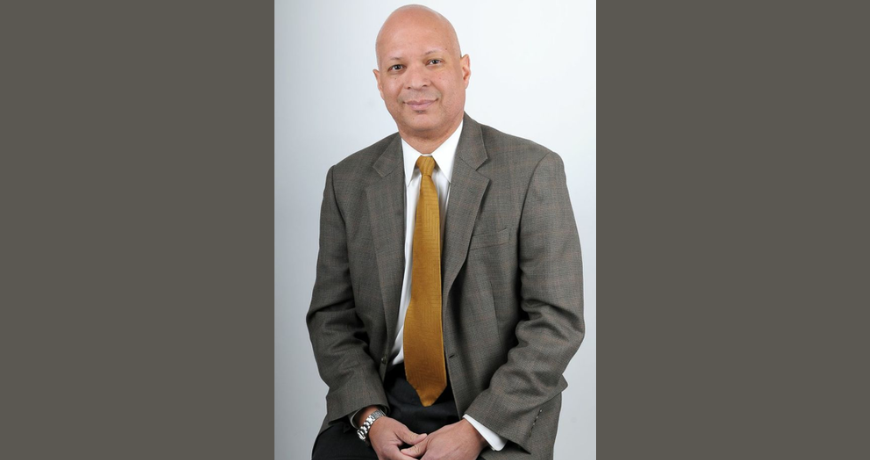

By Mark S. Lee, Contributing Columnist
For decades, retirement represented the American dream: work hard, save consistently, and enjoy the freedom to travel, spend time with family, and pursue passions without worrying about a paycheck.
Today, that dream is changing.
For many Americans, retirement is no longer defined by leisure. It’s defined by uncertainty. Survey after survey finds the same troubling conclusion: the biggest fear among retirees and those approaching retirement isn’t death—it’s outliving their money.
That concern is understandable.
Americans are living longer than previous generations. While that’s certainly something to celebrate, it also means retirement savings must last 20, 30, or even 35 years. Retirement funds that once lasted a decade may now span nearly one-third of a person’s life.
The financial math has become much more difficult.
According to multiple national retirement surveys, most Americans worry more about running out of money than dying. It’s a fear fueled by inflation, rising health care costs, market volatility, and questions surrounding the long-term future of Social Security.
Why this fear is growing
Several economic realities are converging at once.
First is inflation.
Although inflation has cooled from its recent peak, prices remain significantly higher than they were just a few years ago. Groceries, housing, utilities, insurance, and everyday necessities all consume a larger share of retirees’ fixed incomes.
Someone who retired in 2020 with a carefully planned budget may now find that budget stretched far beyond what they anticipated.
Health care is another major concern.
Medicare covers many medical expenses, but it doesn’t pay for everything. Premiums, deductibles, prescription drugs, dental care, vision services, hearing aids, and long-term care can quickly become expensive.
A single unexpected illness can dramatically change a retiree’s financial outlook.
Market uncertainty adds another layer of anxiety.
Retirees who depend on investment portfolios must balance generating income while preserving enough assets to last decades. Sharp market declines early in retirement—often called “sequence of returns risk”—can permanently reduce how long savings last.
Then there’s longevity itself.
Many people underestimate how long they’ll live. A healthy couple retiring at age 65 has a significant chance that one spouse will live into their 90s. That’s wonderful news personally—but financially, it requires careful planning.
The retirement paycheck has changed
Previous generations often retired with three reliable income sources:
- A pension
- Social Security
- Personal savings
Today, pensions have largely disappeared from the private sector.
Instead, responsibility has shifted to workers through 401(k)s, IRAs, and other defined contribution plans. While these plans provide flexibility, they also require individuals to make investment decisions, determinewithdrawal strategies, manage taxes, and estimate how much income they can safely spend.
In essence, many retirees have become the chief financial officers of their own retirement.
That’s a role many never expected to fill.
Common mistakes that increase retirement risk
Running out of money rarely results from one bad decision.
Instead, it’s often several small mistakes that compound over time.
Among the most common:
- Claiming Social Security before understanding how timing affects lifetime benefits.
- Withdrawing too much too early from retirement accounts.
- Ignoring taxes on IRA and 401(k) distributions.
- Underestimating health care and long-term care costs.
- Keeping too much money in cash, allowing inflation to steadily erode purchasing power.
- Failing to update retirement plans after major life events such as widowhood, divorce, or changes in market conditions.
The good news is that many of these risks can be managed with thoughtful planning.
Turning fear into confidence
Retirement planning isn’t simply about accumulating wealth.
It’s about creating reliable income.
That begins with understanding expected expenses, identifying guaranteed income sources, developing an investment strategy appropriate for retirement, and maintaining enough flexibility to adjust when life changes.
Many financial professionals now encourage retirees to think less about their total account balance and more about sustainable monthly income.
The question isn’t, “How much money do I have?”
It’s, “How will this money support my lifestyle for the rest of my life?”
Regularly reviewing spending, maintaining an emergency reserve, delaying Social Security when appropriate, managing taxes strategically, and revisiting withdrawal strategies can all improve long-term financial security.
The bottom line
Fear itself isn’t the problem.
Ignoring it is, and consulting with a CPA or financial planner is a recommended financial strategy.
The concern about running out of money reflects a genuine financial challenge facing millions of Americans. Yet it also serves as a reminder that retirement planning isn’t something you complete at age 65. It’s an ongoing process that evolves with changing markets, tax laws, health needs, and life expectancy.
Retirement should be about enjoying the years you’ve worked so hard to earn, not constantly wondering whether your savings will last.
The best antidote to America’s biggest retirement fear isn’t guessing.
It’s having a plan that’s built not just to help you retire, but to help ensure your money lasts as long as you do.
We invite readers, business owners, and future entrepreneurs to follow along, ask questions, and engage. If you have story ideas or questions, you can email Lee at mark@leegroupinnovation.com or visit leegroupinnovation.com.