
By Hodari P.T. Brown, Contributor
There is a dangerous assumption we make about talented people: because someone is intelligent, accomplished, educated, gifted or resilient, they must also be okay. We see degrees, promotions, awards, titles and applause. We do not always see the person who goes home after everyone stops clapping. We do not see anxiety, depression, trauma, disability, loneliness or exhaustion. Sometimes we do not realize how much somebody was carrying until they are no longer here.
The Death of Jason Arday Should Make Us Think
The death of Professor Jason Arday at 41 should force a larger conversation about achievement, disability, race, isolation and mental health. Arday described growing up autistic, not speaking until age 11 and learning to read and write later in his youth. In 2023, he became the youngest Black professor in the history of the University of Cambridge. His life became a symbol of possibility. His death should remind us of humanity.
Police described his death as unexpected but not suspicious. We should not speculate about a cause authorities have not established. Accountability and truth matter, but humanity matters too. No human being should be reduced to the worst accusation, decision or chapter of their life.
Black Excellence Can Become a Prison
Black America needs an honest conversation about the psychological cost of excellence. Generations of Black people have had to achieve in institutions never designed with our success in mind. Sometimes we feel we cannot simply be good. We have to be exceptional. That pressure can become suffocating.
Black men are often taught to provide, protect, endure and keep moving. Black women carry the expectation of holding families together, succeeding professionally, caring for others and remaining resilient. Sometimes we should stop praising people for surviving pain and start asking why they had to survive so much of it alone.
Gifted Does Not Mean Invincible
Giftedness does not protect anyone from depression, anxiety, trauma, PTSD or loneliness. When identity becomes intertwined with achievement, losing a career, reputation or support system can feel like losing yourself.
Disability Can Make the Battle Harder
Mental health can become even harder when someone is already navigating a cognitive, developmental, neurological, sensory or physical disability. Accessibility barriers, chronic pain, discrimination, exhaustion and stigma already consume tremendous energy. Add depression, anxiety, PTSD or isolation, and the weight can become enormous. Resilience is not unlimited.
I Cannot Write About This From a Distance
This conversation is personal for me. I know suicidal ideation. I know what it feels like when your mind becomes a battlefield. I know anxiety, depression and PTSD, and I know what it means to survive suicide attempts. Those are difficult words to put publicly on a page, but too many people suffer behind carefully constructed appearances.
In 1994, I lost my older brother to suicide. Mental health struggles have touched other members of my family too, including loved ones who have experienced suicidal thoughts or attempts. When I talk about mental health, I am talking about life, families, the phone call somebody never forgets, the empty chair and survivors wondering what they missed.
There have been moments when the person others saw and the person I felt like inside were two completely different human beings. That is why I refuse to believe someone’s resume tells us whether they are okay. Mine certainly does not.
When Everybody Loves You Until You Need Them
One of the cruelest experiences in a mental health crisis is discovering the difference between people who love your light and people willing to sit with you in darkness. People celebrate your success and call you strong. Then life changes, and the phone gets quieter.
That silence can make someone wonder, “Maybe I only mattered when I was useful.” Check on the strong friend, the successful friend, the veteran, professor, executive and caregiver. Check on the Black man everybody assumes can handle everything and the Black woman everybody keeps calling strong. When they say they are struggling, listen.
To the Person Whose World Is Crumbling
If you are living through the worst season of your life, remember this: this chapter is not your entire story. You may have lost people, a career, confidence or relationships. You may feel abandoned or exhausted from being everybody’s strong person.
Stay. Not because everything will magically become easy, but because circumstances change and help exists. A mind experiencing unbearable pain cannot always imagine the possibilities beyond that pain. There are conversations you have not had, people you have not met, laughter you have not experienced and versions of yourself you have not become.
I say that as somebody who has wrestled with wanting to die and is still here, as a brother who knows what suicide leaves behind, and as someone who understands anxiety, depression and PTSD as lived experiences.
Let Us Redefine Strength
Strength is not pretending nothing hurts. Sometimes strength sounds like, “I need help.” Sometimes courage means calling somebody. Sometimes faith means admitting you need therapy. Sometimes surviving today is the only assignment.
This conversation is bigger than one professor. It is about the brilliant, struggling, disabled, grieving and traumatized people walking among us. We need to see people before they become memorial photographs. We need to call them before we write tributes. We need to give people flowers while their hands can still hold them. We need a world where a human being can fall apart without being thrown away.
Sometimes the strongest person in the room is the person shaking, hurting and exhausted who finds enough strength to whisper, “I am still here.” And for today, that is enough.
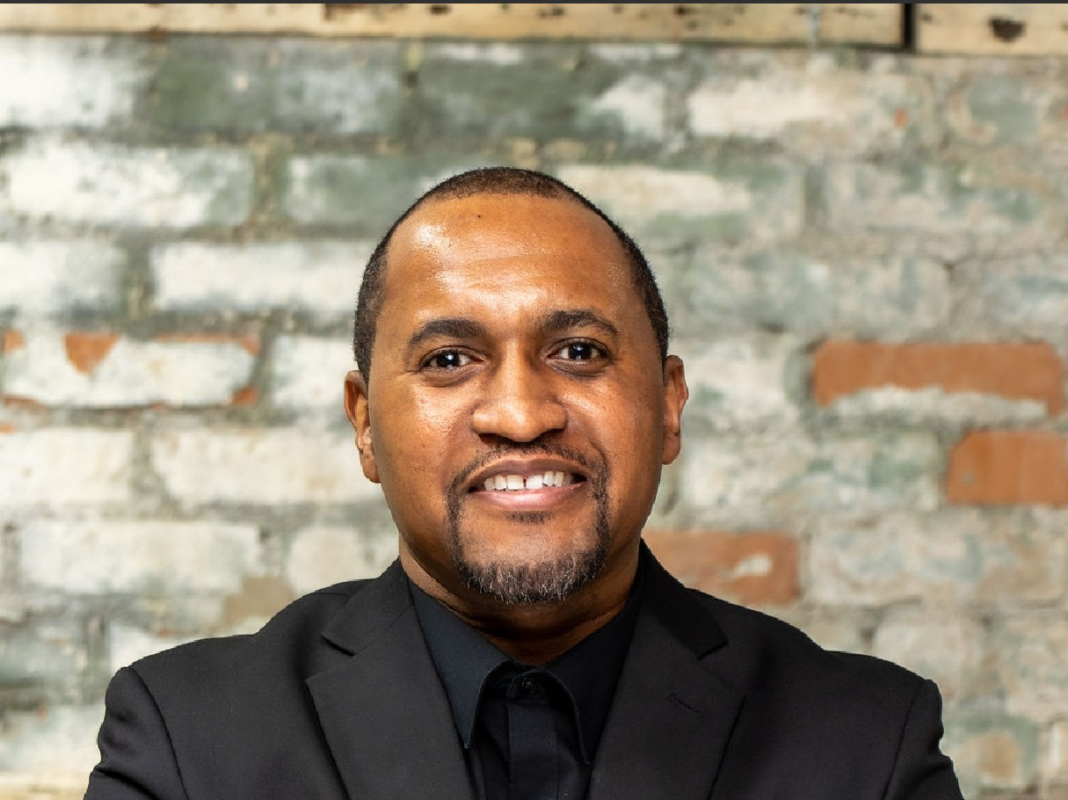
Hodari Brown is a licensed minister, military veteran, mental health advocate, and organizational leader.