

Many women know what it’s like to be in a relationship that doesn’t have a clear ending, or one that never really begins, even if it’s hard to explain to others. Over time, friends may stop asking about it because your answers never seem to make sense. Deep down, you might know he isn’t right for you, but it’s one thing to know that and another to live with it. Sometimes, there’s an attraction that logic can’t touch, a sense that this person is connected to you in a way that goes beyond compatibility, timing, or even desire. You might call it spiritual, because that word gives your feelings a place to belong. It helps you make sense of what you can’t explain and gives your pain some meaning.
Sometimes, the relationship you keep returning to over the years feels less like a choice and more like a recognition. You didn’t pick this person the way you choose other things in life—you just knew them. This feeling can seem like proof that some connections exist before we even experience them. No matter what, the intensity is real. The attraction isn’t made up. There’s something unique happening in these relationships that doesn’t happen in ordinary ones, and it’s important to acknowledge that first.
What isn’t often talked about in spiritual circles is that a true soul connection and a trauma bond can feel exactly the same from the inside. In both cases, the experience seems to go around logic and rational thought. There’s a strong sense of recognition, as if this person matters in a way no one else does. Both types of connection create a pull that’s hard to explain, even to friends or therapists. You’re not being irrational; you’re just responding to something real in your body. The difference isn’t in how you feel, but in what causes those feelings. A soul connection is rare and usually brings a sense of growth. A trauma bond forms differently. It happens when your nervous system recognizes an old emotional pattern—not because it’s true, but because it’s familiar. Your body learned this pattern early on and came to see it as safe, even if it was actually painful. The nervous system doesn’t judge if the relationship is good for you; it just reacts to what it knows. Whatever your body learned to see as love, home, or belonging will feel real, even if the relationship doesn’t actually provide those things. This is what makes it so unsettling. The intensity you think is spiritual might just be a language your body learned to survive long before you had words for it, and now it shows up in your adult relationships, making it feel like destiny.
But not every intense relationship means there are hidden wounds. Intensity alone doesn’t prove anything, and there’s a difference between having a purpose and repeating a pattern.
Your nervous system will eventually show you the truth, even if it’s still on high alert right now. You can’t force clarity by trying harder. Instead, let your feelings unfold at their own pace, not just as fast as your emotions want. This isn’t about testing the other person or seeing how the relationship reacts if you step back. It’s about giving yourself space to feel without acting right away, so your understanding can grow. You’re not pulling away from him; you’re learning to feel intensity without seeing it as a sign, and to let longing exist without treating it like a command. Even with all the space you give it, a trauma bond often still feels urgent and unsettled. A real soul connection, though, stays steady and calm, because it was never about reacting quickly.
A sustained practice of feeling fully while pacing deliberately will eventually show you which one you have been standing inside. Not because you thought your way to the answer, but because you finally gave yourself enough time to stop confusing the two.
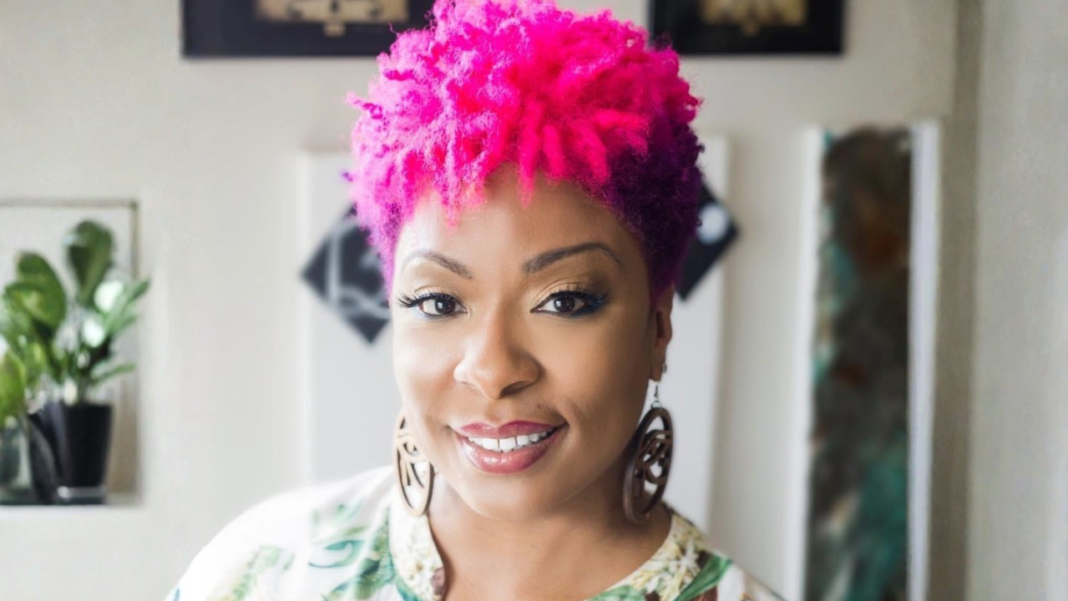
AJ Williams is a Spiritual Wellness Architect, Educator, and the Managing Editor of the Michigan Chronicle. She is known for her work at the intersection of spirituality, astrology, psychology, and identity. She founded Sunday Communion, a quarterly live transformation event in Detroit, and writes a column called The Inner Architecture, where she explores personal growth.