
.)
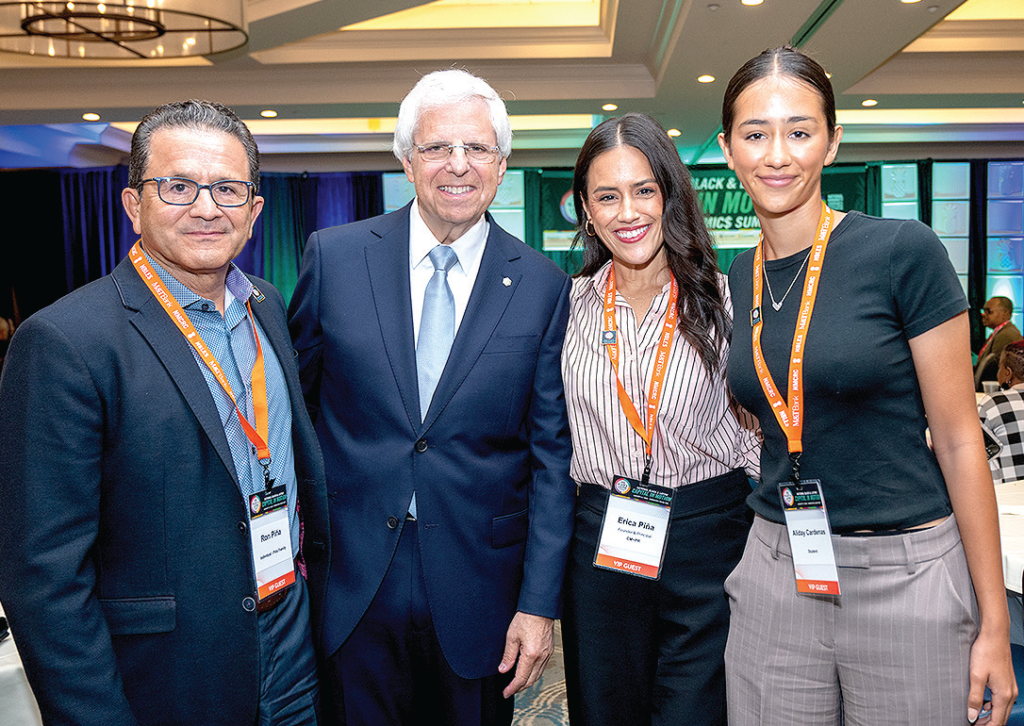
“Leadership is not only about what we build for ourselves. It is about what we make possible for others,” shared Huntington Bank Chairman Gary Torgow at the 2026 NBLES summit.
When business leaders, community advocates and nonprofit organizations gathered at the National Black & Latino Economic Summit (NBLES) in Clearwater, Florida, the conversations focused on topics relevant in communities across the country: economic opportunity, entrepreneurship, homeownership and wealth-building. They may have been discussed on a national stage, but they are playing out every day in Detroit neighborhoods and businesses.
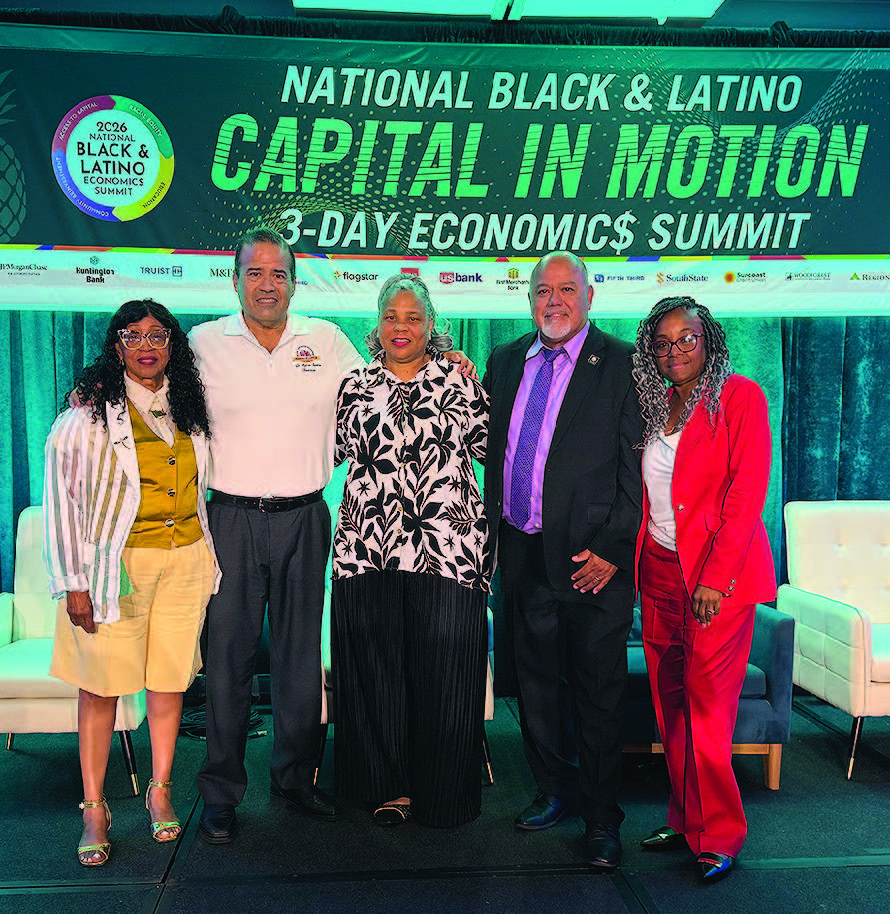
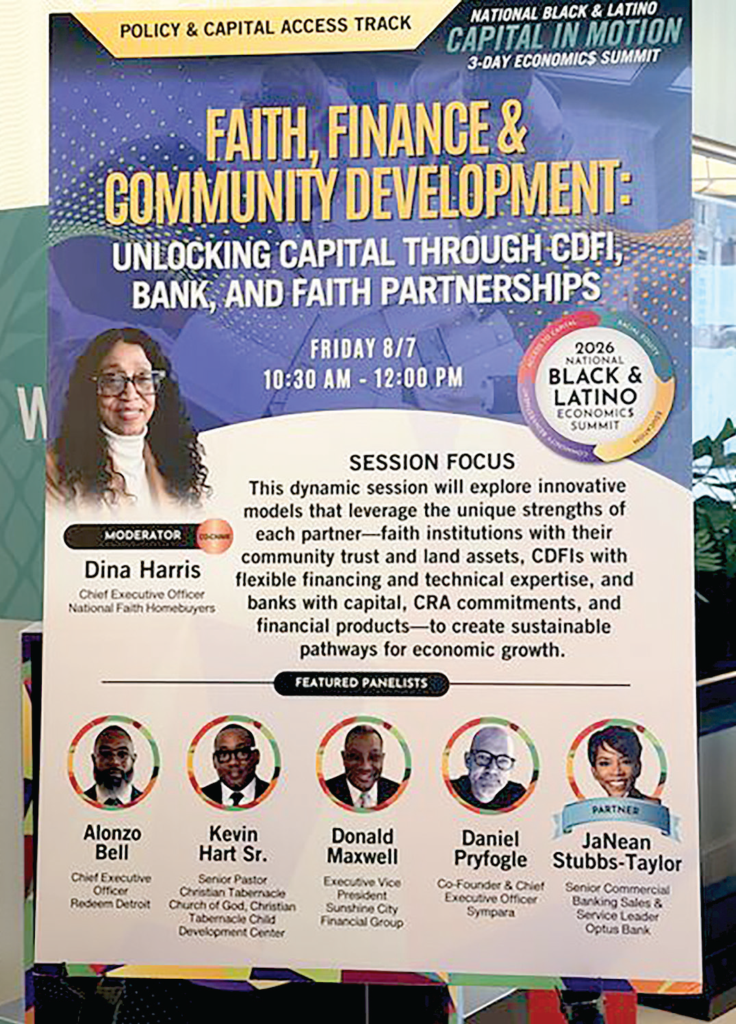
The event, hosted by the National Minority Community Reinvestment Co-operative, included participation from Huntington Bank and Detroit leaders, including National Faith Homebuyers Founder and CEO Dina Harris, Redeem Detroit’s Reverend Alonzo Bell and Reverend Keith Butler who are working every day to expand opportunities for local residents and businesses. Together, they shared Detroit examples to serve as practical methods for organizations across the country to help families become homeowners, support people building businesses they’ve dreamed about and creating communities where everyone can reach their potential.
As keynote speaker for the summit’s Leadership in Motion luncheon, Huntington Bank Chairman Gary Torgow encouraged attendees to think differently about leadership and the role individuals and organizations play in helping others succeed. The keynote was about hope: the belief that circumstances can improve when people are willing to invest in one another. Rather than focusing solely on economic metrics, Torgow reminded attendees that behind every business, mortgage application or lending request is a person, a family and a future. He emphasized the importance of kindness, empathy and meaningful relationships as tools for creating lasting change.
Throughout his speech, Torgow shared stories ranging from Abraham Lincoln and Nelson Mandela to people he has encountered in his own life and community. He highlighted the four college students who sat at a segregated lunch counter in Greensboro, North Carolina, and refused to give up their seats. Their simple action helped inspire a movement that changed the course of history. For Torgow, it was a reminder that progress often begins when ordinary people decide to take one extraordinary step.
While the stories differed, they followed the broad theme of the keynote: meaningful change rarely happens on its own. It requires people who are willing to notice a need, accept a responsibility and choose to help.
In line with the conference theme, “Capital in Motion,” the summit underscored that access to capital is often about more than financing. It is about having access to mentors, trusted advisors and networks that can help transform an idea into a successful business. For families pursuing homeownership, it may depend on relationships with community organizations, housing advocates and financial institutions that can help navigate the process. For community leaders, progress frequently requires public-private partnerships and alignment with residents around a shared goal. Those realities were reflected throughout the conference and reinforced by the experiences of Detroit-based organizations in attendance. Harris’ work through National Faith Homebuyers, including efforts connected to down payment assistance and homeownership, represents one example of how community-based solutions can help more residents achieve financial stability and build generational wealth. Reverend Bell’s work through Redeem Detroit reflects a similarly holistic philosophy. The organization empowers young mothers and families by pairing workforce development, financial literacy, business development and homeownership guidance with wraparound services such as transportation, childcare and education support.
These Detroit program examples also help summarize many of the conversations throughout the week: a focus on journeys rather than destinations. A growing business, a first home or a stronger neighborhood rarely happens because of a single moment. More often, those outcomes are from years of persistence and support from people who are willing to help and do what is right for others.
Putting that onus on the attendees, Torgow repeated the responsibility that leaders have. A responsibility to identify barriers that stand in the way of progress and an obligation to help create pathways around them. He says that leadership begins with noticing. Noticing who is being overlooked. Noticing who lacks access to opportunity. Noticing where barriers exist and using whatever influence or resources we have to help clear a path forward.
He encouraged attendees to ask difficult questions: Why hasn’t an entrepreneur been able to access capital? Why hasn’t a family achieved homeownership? Why hasn’t a talented individual been connected to the right opportunity?
Those questions remain highly relevant in Detroit, where residents are building businesses, families are pursuing homeownership and organizations are helping to create a brighter future for the next generation.
Ultimately, the message that Detroit leaders shared at the summit was one of hope, progress and a reminder that leadership is defined by the opportunities that we help create for others.