

By: Jasmine West
Basement flooding is no secret in Detroit.
For generations of homeowners, a major rainstorm has meant more than watching water rise along the curb. It has meant rushing downstairs, checking the drain, moving furniture and hoping sewage or stormwater does not force its way into the basement.
When the water does come, the damage can be immediate. Furnaces, washers, dryers, family photographs, children’s belongings and finished living spaces can be destroyed. Then comes the cleanup, the insurance calls, the repair bills and the lingering fear every time heavy rain returns.
For approximately 1,200 households on Detroit’s west side, city officials say a newly completed $40.4 million stormwater project should offer greater protection from that familiar headache.
Mayor Mary Sheffield joined Detroit Water and Sewerage Department Director Gary Brown, Deputy Director Sam Smalley and community leaders to mark the completion of the Far West Detroit Stormwater Improvement Project, the largest green stormwater infrastructure project DWSD has completed to date.
The project is designed to keep more than 119 million gallons of stormwater each year out of Detroit’s combined sewer system. That is enough water to fill more than 171 Olympic-size swimming pools.
By redirecting and slowing rainwater before it reaches already burdened sewer pipes, the project is expected to lower the risk of weather-related basement backups for homes in the Far West neighborhood while reducing sewage overflows into the Rouge River.
“This $40 million project is another major example of how the City of Detroit is investing in neighborhood infrastructure to address challenges residents have complained about for years,” Sheffield said. “Thanks to this investment and DWSD’s leadership, 1,200 homeowners in this area won’t have to worry their basement is going to flood the next time we have a major rainstorm.”
Sheffield said that protection means greater peace of mind for families and could also strengthen home values in the neighborhood.
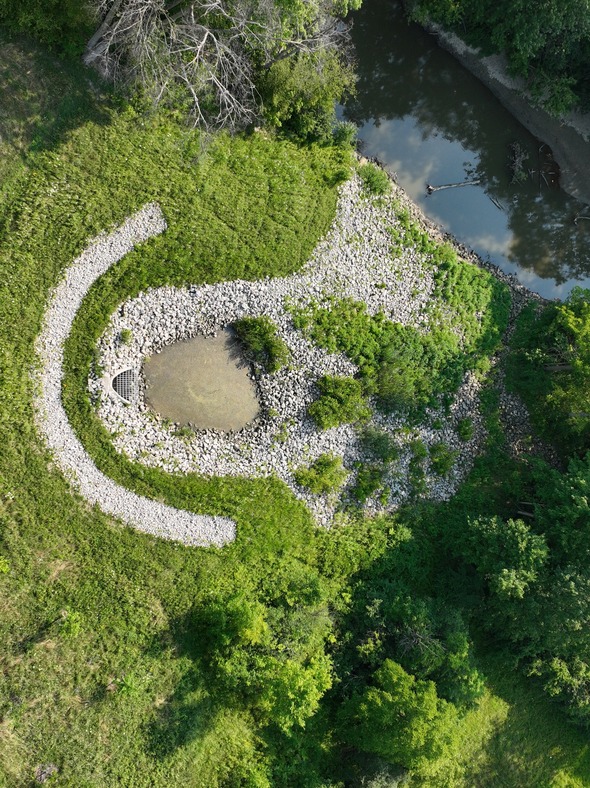
The project created a new storm sewer network that redirects runoff from approximately 213 acres of the surrounding community into two detention basins built inside Rouge Park near Warren Avenue and Outer Drive.
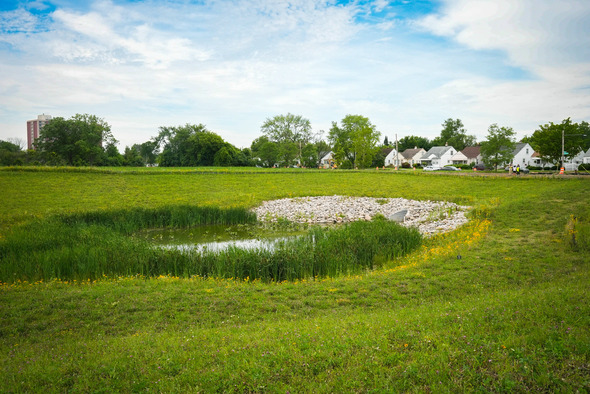
The basins temporarily hold stormwater, allowing it to move more slowly and filter naturally before being released into the Rouge River through a new outfall. Without that separation, much of the water would enter the same combined system that carries sewage, increasing pressure on pipes during heavy storms.
That pressure matters in Detroit, where intense rainfall can overwhelm portions of the sewer system and push water back toward residential properties.
“Every gallon of stormwater we can keep out of the combined sewer system creates additional capacity in our pipes and reduces the risk of basement backups for our customers,” Smalley said.
The work included the installation of more than 24,000 linear feet of new storm sewer, more than 14,500 feet of replacement water main and the rehabilitation of more than 15,700 feet of sanitary sewer through sewer lining.
Crews also completed 41 sanitary sewer repairs, disconnected downspouts at 400 homes, constructed the Rouge Park basins and built a new stormwater outfall along the Rouge River.
Construction began in 2022 after years of planning and community engagement involving residents, the Far West Civic Association, Friends of Rouge Park and other neighborhood stakeholders. Although the project was expected to take five years, it was completed in four.
Brown said the investment provides immediate relief in a neighborhood that has historically experienced serious flooding while supporting broader improvements across Detroit’s aging water and sewer system.
“This project represents a more resilient sewerage system and demonstrates DWSD’s commitment to investing in sustainable, long-term solutions to reduce flooding,” Brown said.
Since 2019, DWSD has increased its annual capital investment from approximately $100 million to more than $220 million, according to the department. The agency has also used grants and regional partnerships to move infrastructure projects forward.
The Oakland County Water Resources Commission helped secure funding because the Far West project also reduces pressure within the combined sewer system serving the Evergreen-Farmington Sanitary Drain Drainage District.
The project arrives as Detroit continues to confront the limits of infrastructure built for another era and the growing threat of heavier rainstorms.
Green stormwater infrastructure cannot prevent every flooded basement or eliminate every risk across the city. But in Far West Detroit, the project represents a shift from repeatedly responding to damage after the rain toward building protections before the next storm arrives.
For families who have spent years listening for the sound of water rising below their homes, that preparation can mean the difference between a storm outside and a disaster inside.
The Far West project has been a long time coming for residents who have spent years bracing for what the next hard rain might bring.
Its completion is worth recognizing. But the true test will come during the storms ahead, when residents find out whether the basins, pipes and new drainage system deliver the protection they were promised.
And beyond the 1,200 homes expected to benefit, families across Detroit remain in limbo. They are still checking their basement drains, moving belongings off the floor and wondering whether the next major infrastructure investment will finally reach their block.
For them, the Far West project is both a sign of progress and a reminder of how much work remains. Relief has arrived for one neighborhood. Thousands of other Detroit homeowners are still waiting for theirs.