
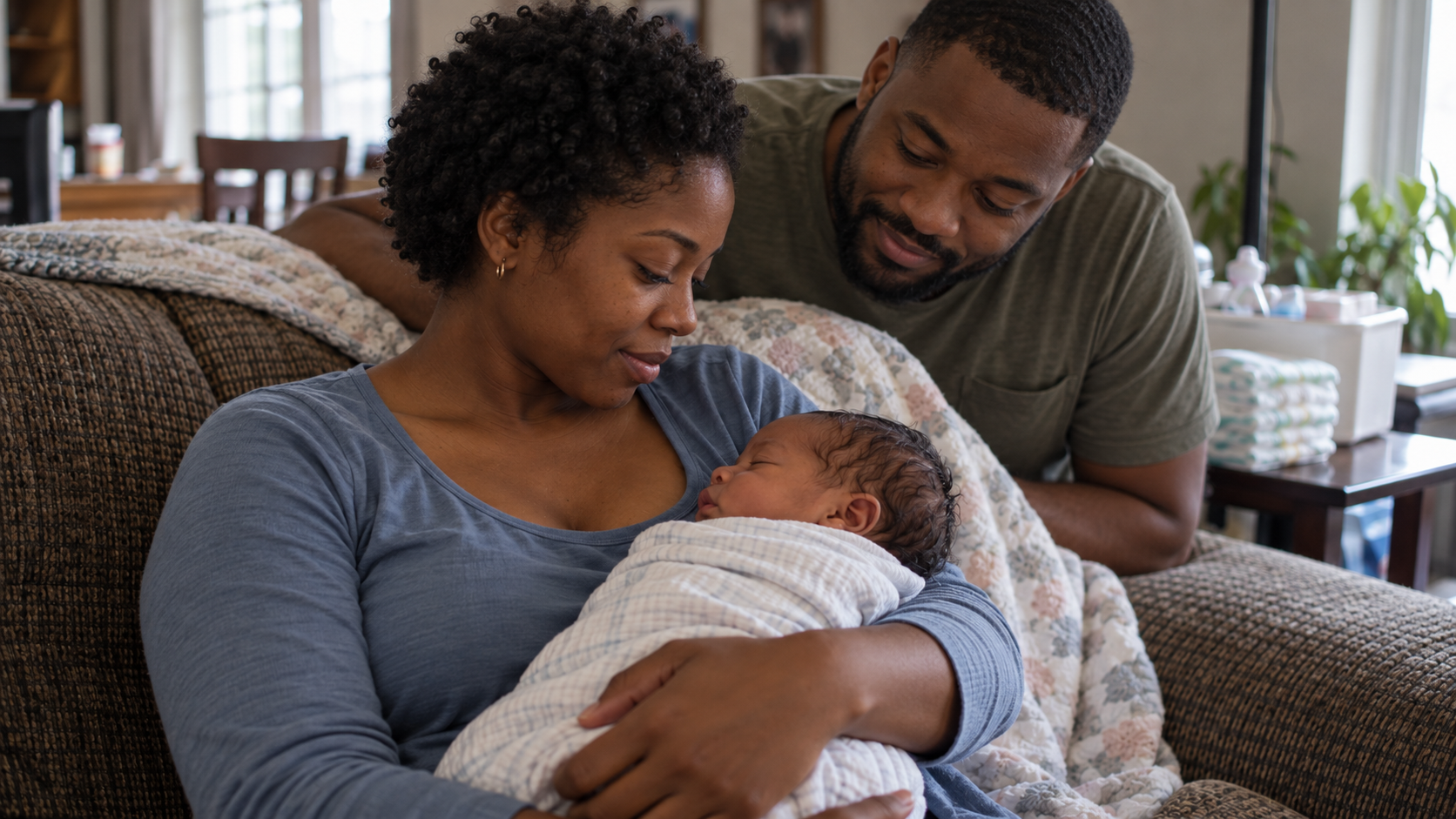
The arrival of a baby brings new expenses at exactly the time many families have less room in their budgets.
Food, diapers, transportation, utilities and housing costs do not pause during pregnancy or after childbirth. For some households, income may also fall as parents take time away from work.
Rx Kids approaches that period with a straightforward idea: put money directly into the hands of families and allow them to decide where it is needed most.
Through the County’s partnership with Rx Kids, eligible expectant mothers in six participating communities can receive a $1,500 payment during pregnancy, followed by $500 per month during the first six months of the child’s life.
Since the County-supported program launched in November 2025, 2,479 families in Dearborn, Hamtramck, Highland Park, Inkster, Melvindale and River Rouge have enrolled, according to County reporting. Approximately $8.2 million in direct financial support has been provided.
The assistance comes without requirements dictating how families must spend the money.
That flexibility is central to the model because the needs of a family with a newborn can vary considerably. For one household, the immediate pressure may be rent or utilities. For another, it may be groceries, transportation, baby supplies or replacing income lost during time away from work.
Why focus on pregnancy and infancy
The program also targets a period when economic conditions and health can intersect.
In 2022, Wayne County recorded an infant mortality rate of 10 deaths per 1,000 live births, compared with 6.4 per 1,000 statewide. Poverty and unequal access to the conditions that support good health are among the factors associated with those disparities.
Rx Kids began in Flint before expanding into other Michigan communities, giving researchers an opportunity to examine what happens when families receive additional financial support during pregnancy and infancy.
The early research is notable, although the findings from Flint should not simply be assumed to represent Wayne County.
A 2026 study published in The Lancet Public Health found that the Flint program was associated with lower rates of preterm birth and low birth weight compared with similar communities. Other published research has associated participation there with improvements in financial stability and maternal well-being.
There are also differences between the programs. Flint families receive monthly infant payments for a longer period than families participating in the six-community Wayne County model.
That makes Wayne County’s own results important to follow over time.
For now, the clearest measure of the program’s local reach is direct: nearly 2,500 families in these Wayne County communities have participated, with more than $8 million reaching households during one of the most financially demanding periods of family life.
What those resources ultimately mean for maternal health, infant health and household stability in Wayne County will be measured through local outcomes as well as enrollment.