
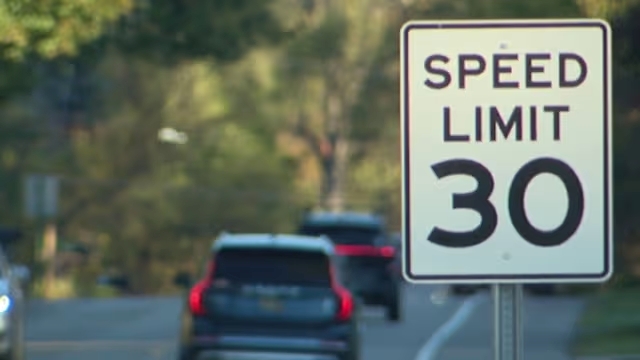

Detroit is the “Motor City,” a city with a population that heavily relies on cars. But, with cars come expenses like insurance and occasionally, traffic tickets.
The 36th District Court’s most recent amnesty program ran from March 9 through April 2, 2026. During this window, individuals with adjudicated cases could pay their original fines in full and have all late fees, penalties, and warrant costs waived.
During the Detroit program, Chief Judge William C. McConico said, “This amnesty program provides individuals with a meaningful opportunity to resolve outstanding court debt without the added burden of late fees and warrant costs. Our goal is to remove financial barriers and help members of our community move forward. The Court’s staff is fully committed to assisting participants and ensuring the success of this program.”
While that time has passed in the city of Detroit, other districts have launched similar programs.
On Monday, August 3, 2026, through Friday, August 21,2026 the 16th District Court in Livonia will launch their own Amnesty Program.
During this period, the Court will waive $35 default fee; 20% late fees, and $75 warrant fees on overdue citations/cases resulting in significant savings and cancellation of outstanding warrants.
The amnesty program applies to adjudicated and defaulted cases with assessed fines and costs except garnishment cases with disclosures received from the State of Michigan. Driver’s license reinstatement fees are not included in the amnesty.
Attorney Todd Perkins of the Perkins Law Group says, “amnesty programs are great not only for the courthouse but for the people who owe money to the courts. The one caution that I might have with people getting involved in amnesty programs is getting an understanding of what they’re paying.”
It is important to distinguish between traffic tickets and traffic misdemeanors which will still require a court date.
Additionally, Attorney Perkins notes that it is important to know if paying the reduced amnesty amount will result in points that can affect one’s license status or insurance payments. He notes that, “sometimes when you may not want to pay a ticket because paying a ticket is an admission of responsibility.”
He adds, however, that amnesty programs are an indication that courts are moving toward being more flexible as it relates to traffic tickets. “it’s really we’re moving in a positive direction to not necessarily being over overly punitive but making sure that you know people take care of the business and get back on the road safely.”
Payments are accepted in person, by mail, or online with credit cards. Payments made by mail must be postmarked by August 21, 2026. After August 21, 2026, late fees and penalties will be reinstated, and delinquent citations will be turned over to collections.