

There’s a bipartisan coalition of Michigan lawmakers opposing tax abated construction of data centers is a facility used to house computer systems.
Rep. Dylan Wegela, D-Garden City, is leading the introduction of a bipartisan package with Reps. Erin Byrnes, D-Dearborn and Jim DeSana, R-Ash Township, to repeal tax breaks for data center developers.
The Michigan Senate passed a bill package last year allowing large data centers operated by companies like Oracle and Google to be exempt from sales and use tax on equipment through 2050. Environmental advocates warn the facilities will increase energy rates and exacerbate Michigan’s reliance on fossil fuels.
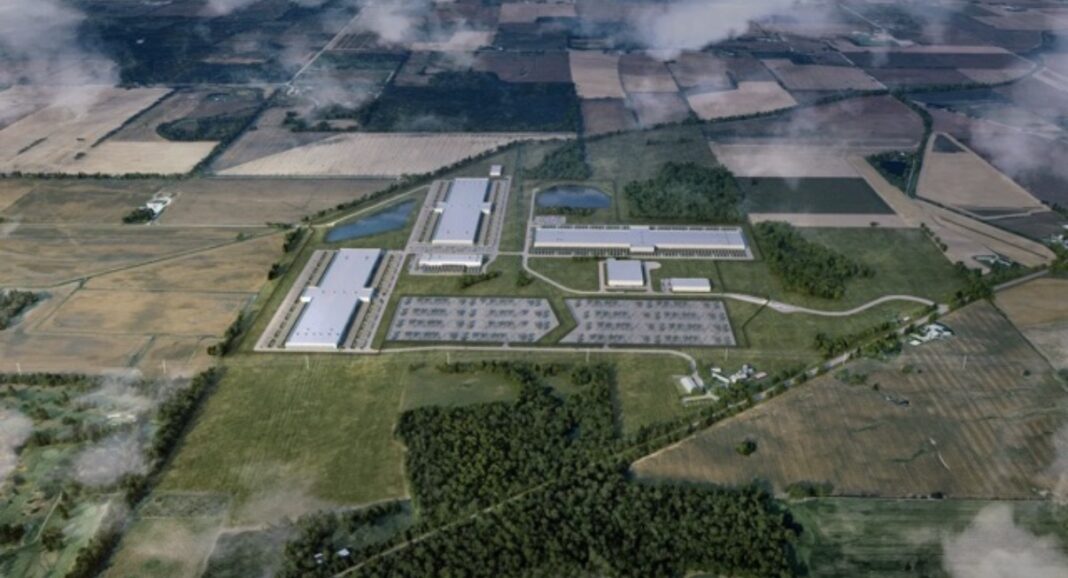
Gov. Gretchen Whitmer and pro-business Democrats recently championed plans form DTE Energy, Open AI and Related Digital, Stephen Ross’ company to build a data center in Saline Township, describing the proposed facility as the largest investment in the state’s history.
“Michigan was chosen for the project, the largest one-time investment in state history, because of the state’s strong workforce, pipeline of local talent, and bipartisan legislation Governor Whitmer signed to lower costs for the construction of high-tech infrastructure,” the governor’s office said in a statement.
The governor said that the project will create 2,500 good-paying union construction jobs, more than 450 permanent high-skill, high-paying jobs on site, and 1,500 more in the community.
But residents and critics of the facilities that manage cloud storage and process AI queries.
Residents of Saline Township continue to fight the data center after the township government agreed to a legal settlement with the developer to move the plan forward. Township officials say they’re hands were tied since they wouldn’t have been able to afford legal fees necessary to fight the suit.
The fight in Washtenaw County between the residents and billion dollar companies represent a larger political battle playing out in rural communities across the country that are being purchased by large developers.
Data centers have also been proposed in Lyon Township, Southfield and Howell. Lawmakers say there are efforts to bring similar facilities in other communities that are yet to be announced.
The debate over whether to attract data centers to Michigan is over 10 years old. The Legislature in 2015 passed bills giving data centers tax exemptions. Whether to support the large tech companies is now causing friction within both parties.
Environmental advocates on the left say the facilities will undermine the state’s clean energy goals and will burden nearby utility customers. Pro-business lawmakers in both parties say the incentives are necessary to attract data centers, which represent huge investments for the state.
There are approximately 3,000 data centers currently online nationwide, with around 1,000 more being proposed.
There’s growing concern that Black Southerners may be facing the greatest negative impacts. A MediaJustice report found that data center projects often wind up in vulnerable communities that are already facing health and economic harm.
“The richest men in the world are leading the push for Data Centers and AI. Technology that will surely lead to more consolidation of wealth and power as AI takes working-class jobs,” Wegela said in a statement. “As we have seen elsewhere, these data centers produce few jobs, raise utility rates, and put a major strain on our energy resources. We will never meet our clean energy goals if we continue to fast-track data centers.”
Gov. Whitmer’s clean energy legislation aims to achieve 100% renewable energy by 2040, a target advocates say is a lofty goal. Legislation signed by the governor in 2023 require utilities in Michigan to get 80% of their power from clean energy sources in 2035 through 2039 and 100% from clean energy sources beginning in 2040.
“DTE and Consumers are foaming at the mouth with the profits they will make. Many of these deals have been put together behind closed doors and out of sight of the public. We need to fight back. We need to repeal the tax breaks that are encouraging these companies to flock to Michigan, and we have to demand strict regulation and public oversight of these projects,” said Wegela, who is viewed as one of the most progressive members of the Michigan Legislature.
Wegela said the state must address concerns raised by the construction and operation of data centers, and ending the tax credits for the projects are “a good place to start.”
“This bipartisan effort shows that working people in every part of the state, regardless of their party or their feeling about new technologies, know that these secret corporate deals are undemocratic and bad for the working people of our state,” he said.
Byrnes of Dearborn said that Michigan families shouldn’t be the ones bankrolling handouts for big corporations and utilities.
“For too long, big corporations and utilities have taken from our communities while giving nothing back but higher costs, pollution, and health problems. That’s unacceptable, and it’s why I’m fighting to put people first, end the giveaways, and make corporations pay their fair share.”
Public Acts 181 and 204 were passed during the last legislature. The bills together provide sales tax exemptions for data center equipment.
Officials in the press release said they plan to introduce their legislation seeking to kill the incentives on Dec. 19.
So far, $13 million in tax breaks have been claimed under this tax break, according to House Fiscal analysis.
“However, this number is expected to grow exponentially with nearly two dozen data center projects in the works,” Wegela said.
Rep. DeSana of Ash Township, a 7,800 person township in Monroe County, said storing data on prime farmland “is one of the most asinine things I have ever seen.”
“The scar upon our rural Landscape that these Data Centers will create is long lasting and 100% negative for our rural communities,” DeSana said. “There are no benefits and even if there were any, they would be drastically outweighed by the water and noise issues they create.”